A Lowly Shoe Salesman - Oppenheimer

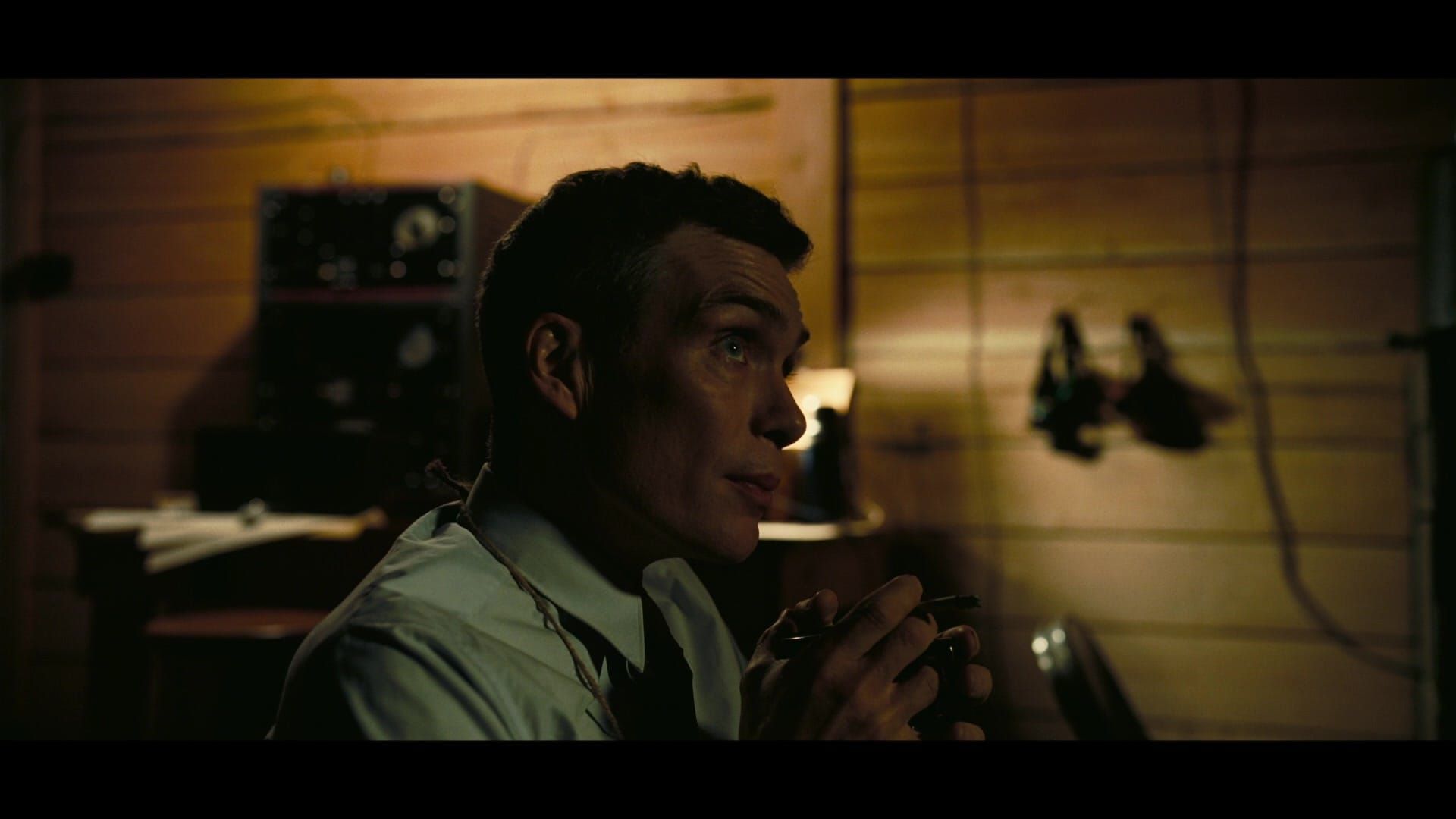
When Christopher Nolan announced that his first post-Warner Bros. film would be a biopic about the man who created the atom bomb, I can't say it filled me with any amount of fervor.
Since June 15, 2005 I've been firmly in the Nolan tank, but... biopic didn't seem like the ideal genre for his qualities. I want his adventure, his spectacle, his sense of creating incredible, fantastical realities within grounded verisimilitude. I want the way his films move, the way he structures and tells story. The emotion matters of course, but every previous film pairs emotion with genre elements. Set ostensibly in the real world, it was difficult to envision what Oppenheimer could look like. At least Dunkirk played with its triptych nonlinear structure. Even the trailers didn't sizzle like his previous trailers had. I was looking forward to it, sure. But... Jazzed? Not so much. And it was three hours long? Sounded excessive to be honest.
To my utter astonishment, not only was Oppenheimer good, it was a freaking masterpiece, the sort of film that instantly was like... Oh this is winning him Oscars, proving Christopher Nolan can do truly anything and cementing him as the top director on the planet. It's a really special film. But it's special because Nolan appropriates his style in the name of creating something thematically rich, where every line of dialogue, every moment points directly at the same central concern.
This is art of the highest caliber.
Master theorist
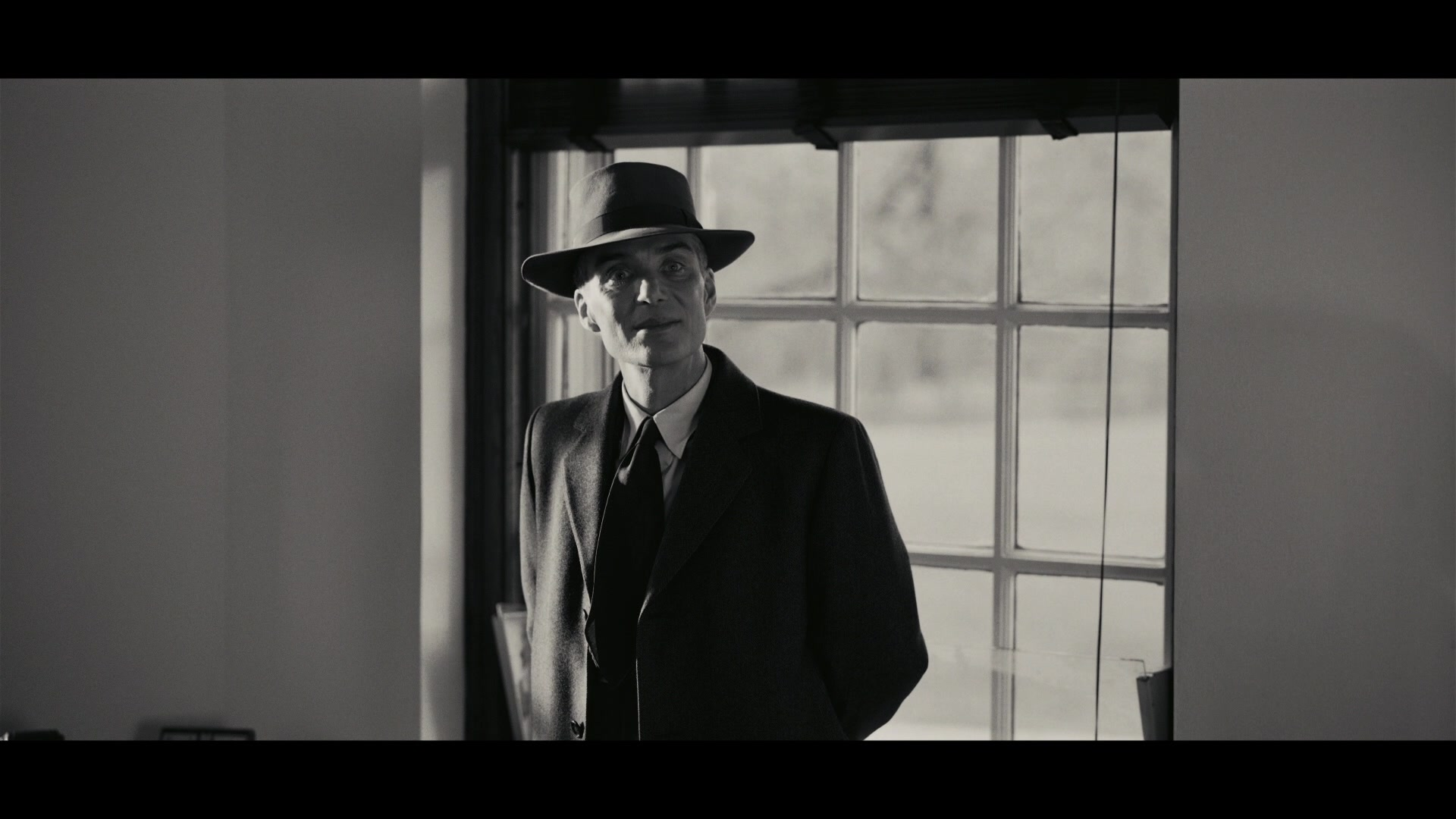
Christopher Nolan knows better than to come out and say who a man like J. Robert Oppenheimer (Cillian Murphy) is. Instead, he spends three hours of film to show the man for all of his genius and shortcomings. There's a reverence for his subject, recognizing the tremendous work he led and how important he is.
First and foremost, Oppenheimer is a theoretical physicist. He regularly jokes about how he's bad at math and leaves the experimenting and testing his theories to other men. He's the sort of dude who learns Dutch so he can lecture in Holland and Sanskrit so he can read The Bhagavad Gita in its original context. He theorizes about the existence of black holes and tries to disprove the splitting of an atom after hearing that German scientists have done it.
This is all well and good, but (as Oppenheimer himself puts it twice in the film), "theory will only get you so far". He might have published a paper predicting the existence of black holes (which bore out) but he also puts together a complex proof to disprove the splitting of a uranium nucleus... only to have Ernest Lawrence (Josh Hartnett) walk in minutes later to tell him that his studies lab had replicated the experiment that did it. Oppenheimer's work wasn't bad. He was just wrong.
That discovery gives way to the Manhattan Project, in which a cadre of scientists working together under the U.S. government design a weapons system harnessing the energy from a splitting nucleus to create an explosion more cataclysmic than the world has ever seen. This was, of course, theory. Until the atomic bomb existed, it could be anything.
But so could a relationship with Kitty. Oppenheimer meets her at a party and the two of them flirt, interspersed with dialogue about her loveless marriage and how bad she wants a divorce so they could be together.
And so could his relationship with Jean Tatlock. Much as he imagines being with her, she proves too flightly. Never quite what he needs her to be. Still, he always brings her flowers even though she tells him it will never happen. Theoretically, of course, one day his gift might work.
Everything is great in his head.
Early in the movie he thinks it's maybe a good idea to inject cyanide into his professor's apple as some form of retribution for academic assholery. Wisely, he throws the apple away before it goes bad. (and he becomes a murderer), but it's a reckless action that seems good in the thinking of it.
It's all well and good to imagine what it's like to marry Kitty and have a baby and raise a family. But she reveals herself to be an alcoholic and not someone he can trust with taking care of their child while he's off changing the world. Their marriage ends up working out and they come to a mutual understanding of forgiving transgressions, but that's not a guarantee early on. It might seem a great idea to see Jean that last time in 1943 before her apparent suicide. It might seem like something that gives him closure and her comfort, but it ends up being a massive scandal later in life. Meeting with a known communist at the height of the Manhattan Project? Not a great idea, Robert.
Moving back to the bomb, Oppenheimer touts its value all the way up until the detonation. And then... the movie stops being about theory. After Oppenheimer tells General Groves about the near-zero chance their first test will ignite the atmosphere and annihilate the planet, he follows up the military man's indignant retorts with "what do you want from theory alone?" The word "theory" (or any derivative) never occurs in the film again.
Soon, it becomes clear just what Oppenheimer has unleashed unto the world. This is no longer theoretical. It builds on fact and reality. And he spends the rest of his life trying to caution and warn about what it is he's done. It's very different from what he imagined will happen:
We’re theorists. Yes? We imagine a future, and our imaginings horrify us. They won’t fear it until they understand it, and they won’t understand it until they’ve used it. When the world learns the terrible secret of Los Alamos, our work here will ensure a peace mankind has never seen. A peace based on the kind of international cooperation that Roosevelt always envisaged.
This is some seriously futurist shit. Also deeply quixotic. And shows the limits of theory. As bright and optimistic as it is, Oppenheimer misjudges the nature of people. He works on the bomb to stop the Nazis from getting there first. But Los Alamos doesn't complete its work by the time Germany surrenders, and so the United States turns its sights on Japan. There's always a reason to develop a bomb.
Operation: Downfall...
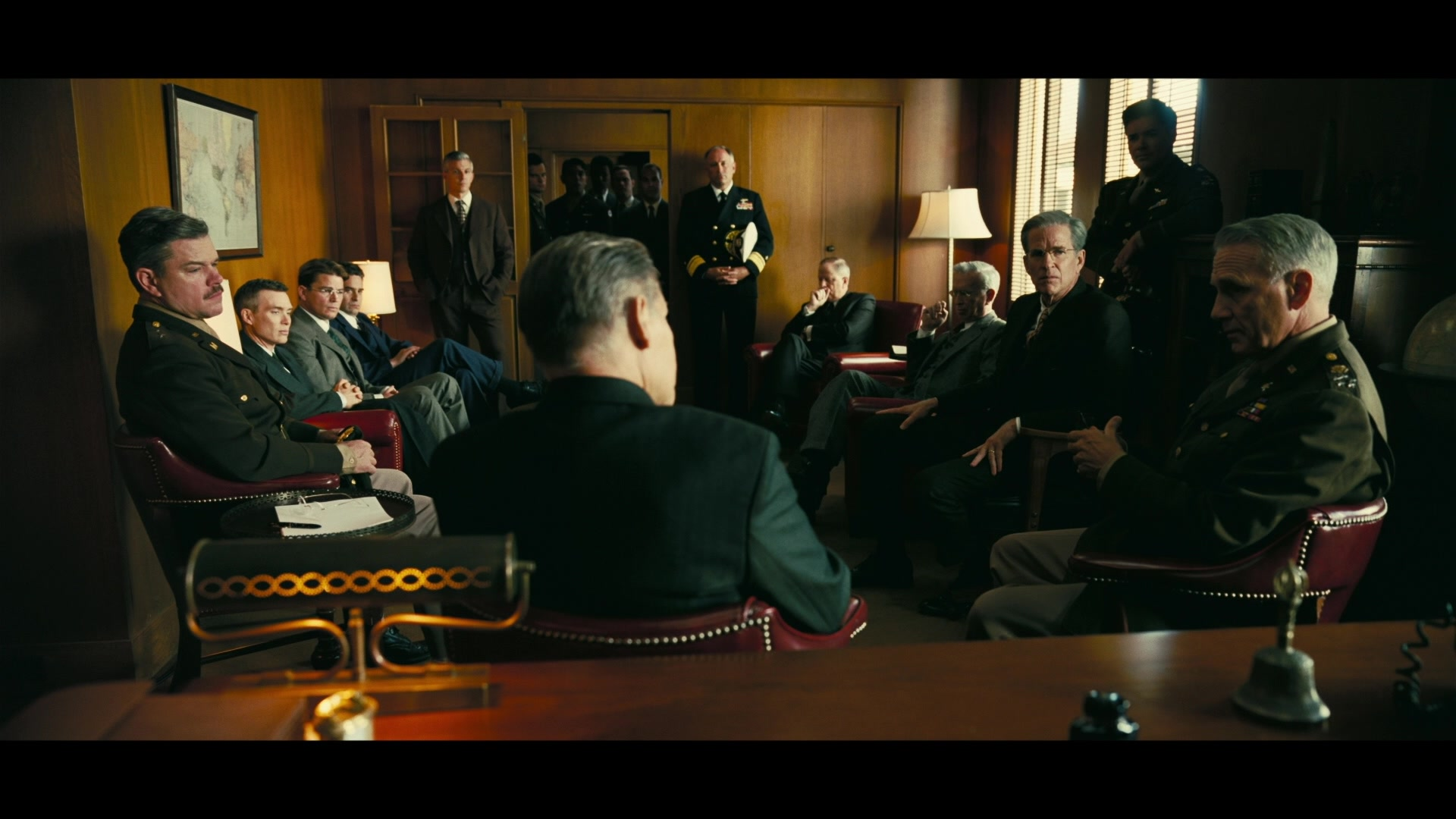
It's... not a clean notion to blindly say dropping the bomb on Japan was the right call. On the one hand, utilizing a weapon of tremendous power to murder civilians was obviously a moral abomination. The United States government dropped atomic bombs on two cities, targets chosen because they weren't military targets. And... yes. It ends the war. So it did work...
As Oppenheimer points out later, there was no point dropping them elsewhere. The scope of the explosion/destruction required a target far larger than a military base. Hundreds of thousands of Japanese slaughtered, almost all of them civilians. Almost a hundred years later, it remains the only practical application of such a weapon. Everything since has been tests. This is part of America's legacy.
But on the other hand, there is the theory of what would have happened if the Americans hadn't dropped the bomb.
Operation: Downfall was the planned invasion of Japan. The film mentions this briefly, but the actual numbers of what it would take to accomplish are mind-melting. The American military estimated 500,000 casualties on their side alone. And that was the low end. It wasn't long before they were preparing for upwards of a million American lives lost in the name of ending the war. That's to say nothing of Japanese casualties, where their low end started in the millions. It was possible they would go much, much higher than that.
To put this into perspective: the United States started producing Purple Heart medals in anticipation of American losses, ramping up production once invasion of Japan was a possibility. They produced so many that as of 2020, the armed services were still going through these reserves when awarding new recipients.
Maybe Japan would have surrendered. Eventually. Maybe it wouldn't have cost all those lives. But this is America heeding that theory and looking for an alternate solution. It's possible (even almost certain) that the atomic bomb ended up saving lives.
Where Oppenheimer miscalculated is in the proliferation of technology this armageddony. He thought the world would be an almost utopic paradise, where the war to end all wars really had done just that.
He didn't, though, account for a man like Lewis Strauss.
The pithy hand-wringing of petty men
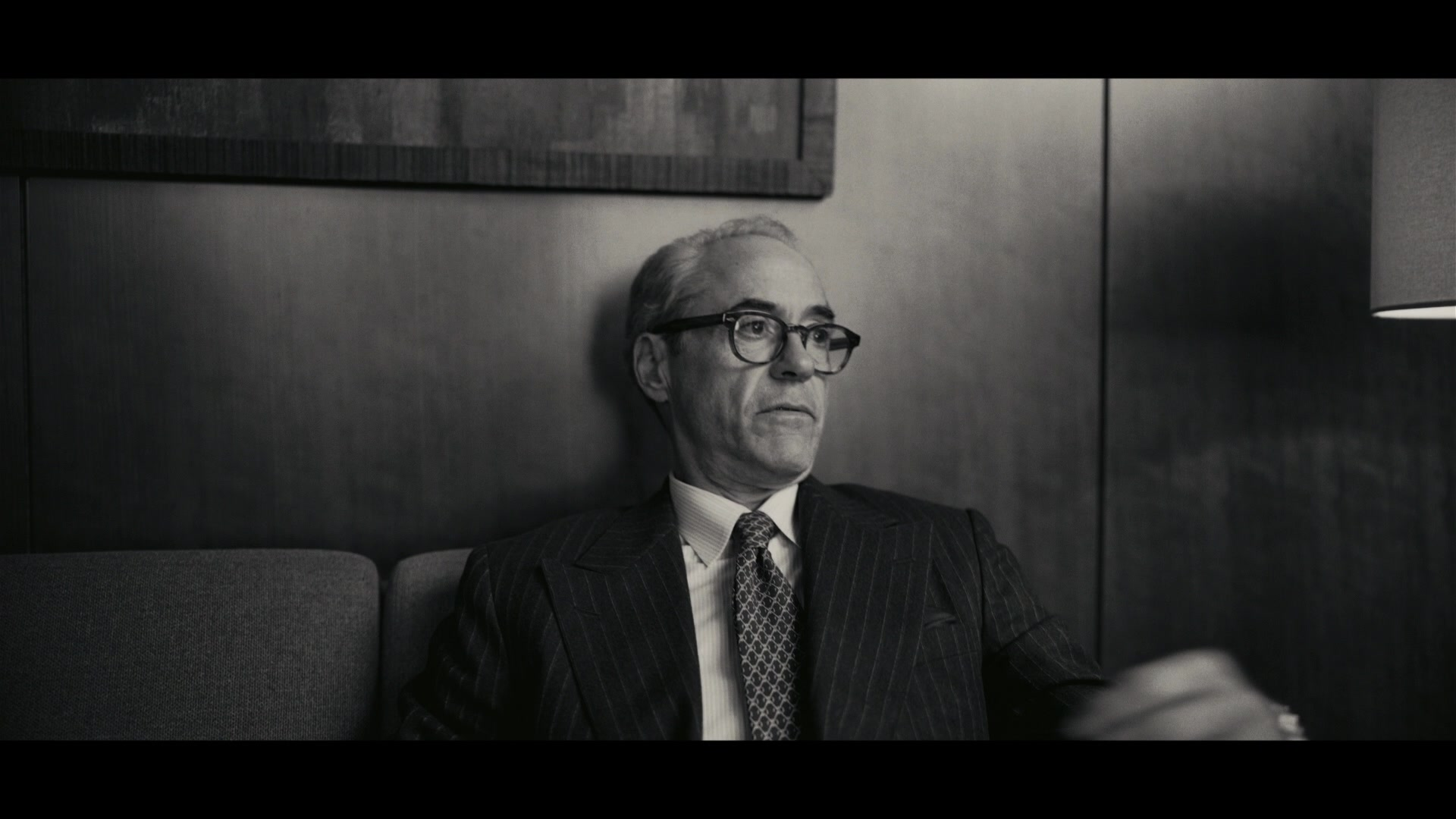
In his second scene, Lewis Strauss (Robert Downey Jr.) corrects a Senate aide. The man refers to him as "Mr.". Almost immediately comes the clapback from Strauss: "It's Admiral."
It's a small moment, but it echoes a moment shortly after, when Strauss recounts meeting Oppenheimer about the open faculty position at Princeton. As part of their idle chit chat, Strauss talks about how he sold shoes. When Oppenheimer says his host was once "a lowly shoe salesman", Strauss issues another clapback: "no, just a shoe salesman." As though he can't stand the thought of being "lowly."
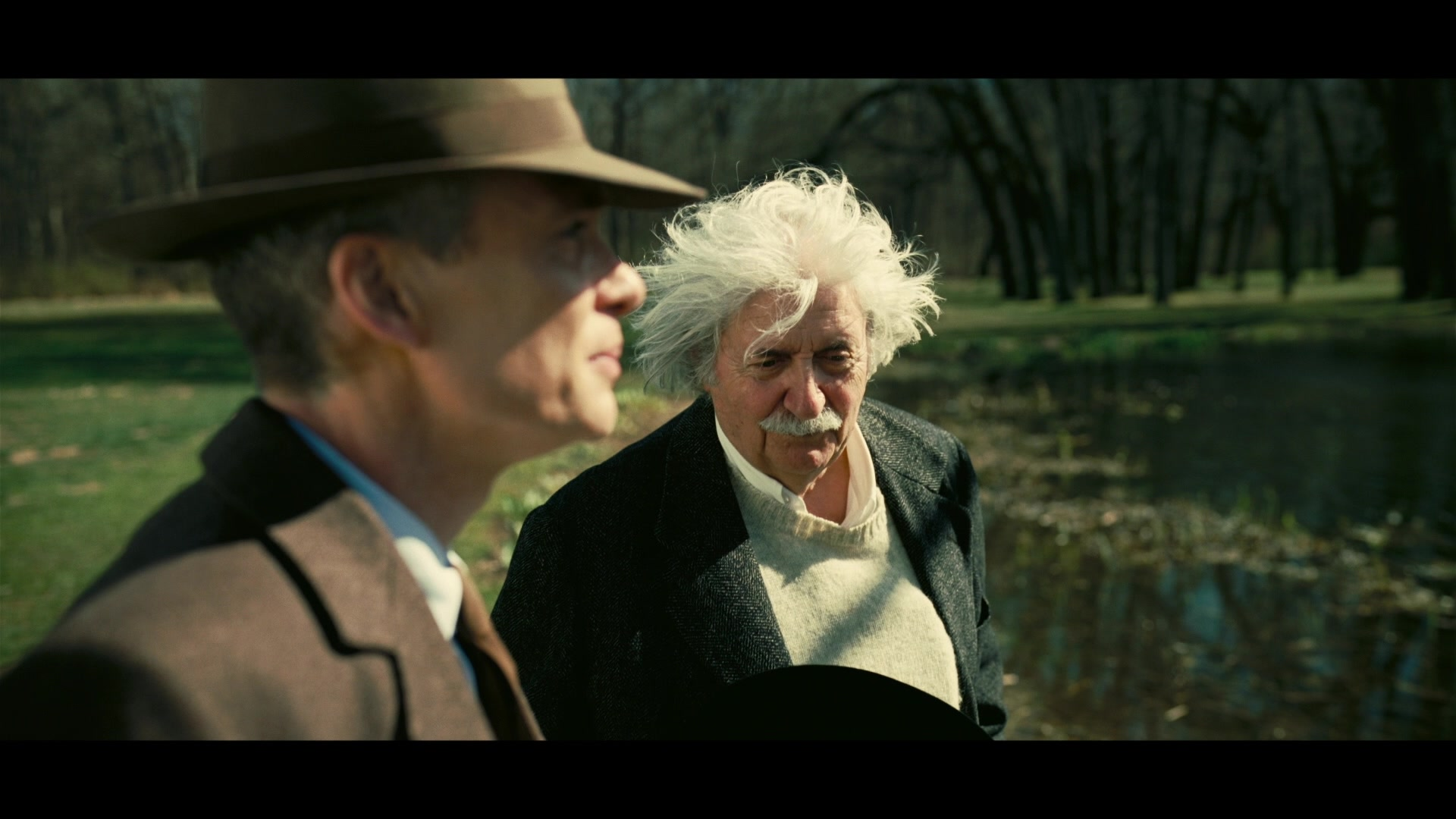
Looking ahead, soon after that moment comes the slight of Einstein ignoring Strauss after talking to Oppenheimer. And then comes the moment Oppenheimer cracks the joke about the sandwich at the AEC hearing. Those moments are enough to paint for Strauss a full picture of Oppenheimer. His paranoia gets the best of him, and so every future interaction feels wantonly antagonistic. Oppenheimer's jibes become personal attacks to undermine his very existence. Nevermind that Einstein and his big brain might have had other things going on and just wasn't in the mood to say hi. Nevermind that Oppenheimer had his own motives for using humor to drive home his various points about what was and was not a threat with regards to nuclear proliferation.
Strauss is but one man, and all the scientists in the Manhattan Project have a comprehension of what they have built. But Strauss is exhibit A in why building the bomb was such a terrible idea. Once Oppenheimer's theoretical weapon becomes reality, it is at the mercy of men like Strauss. If Strauss is willing to do everything he does just because of Oppenheimer's extremely minor actions, what will he do to something even more blatantly offensive? If someone was actually coming for him. If someone actually viewed themselves as above him?.
Sure, in the end Oppenheimer gets his revenge and publicly humiliates Strauss and destroys his career, but Strauss is one man in a country of hundreds of millions of people. Just one of bad actor in command of a nuclear arsenal could be catastrophic. And there's not enough bandwidth to keep every vindictive individual far away from such power.
The cold slap of reality
And here is the limit of Oppenheimer's theory. Shortly after the bomb goes off, Nolan starts removing the audience from Oppenheimer's perspective, only letting us in during the security clearance hearing. Everything else feels like it's coming from someone interacting with him.
To that point, Oppenheimer is the central character. The entire film revolves around him, where he's going, who he's talking to. But because the last hour focuses on the conspiracy to discredit him, it leaves the audience to think about his remorse and guilt over what his life's work might mean for the world and how his actions inform that. He tries to minimize nuclear proliferation, recognizing that those with the power to destroy the world are not the ones who should have it.
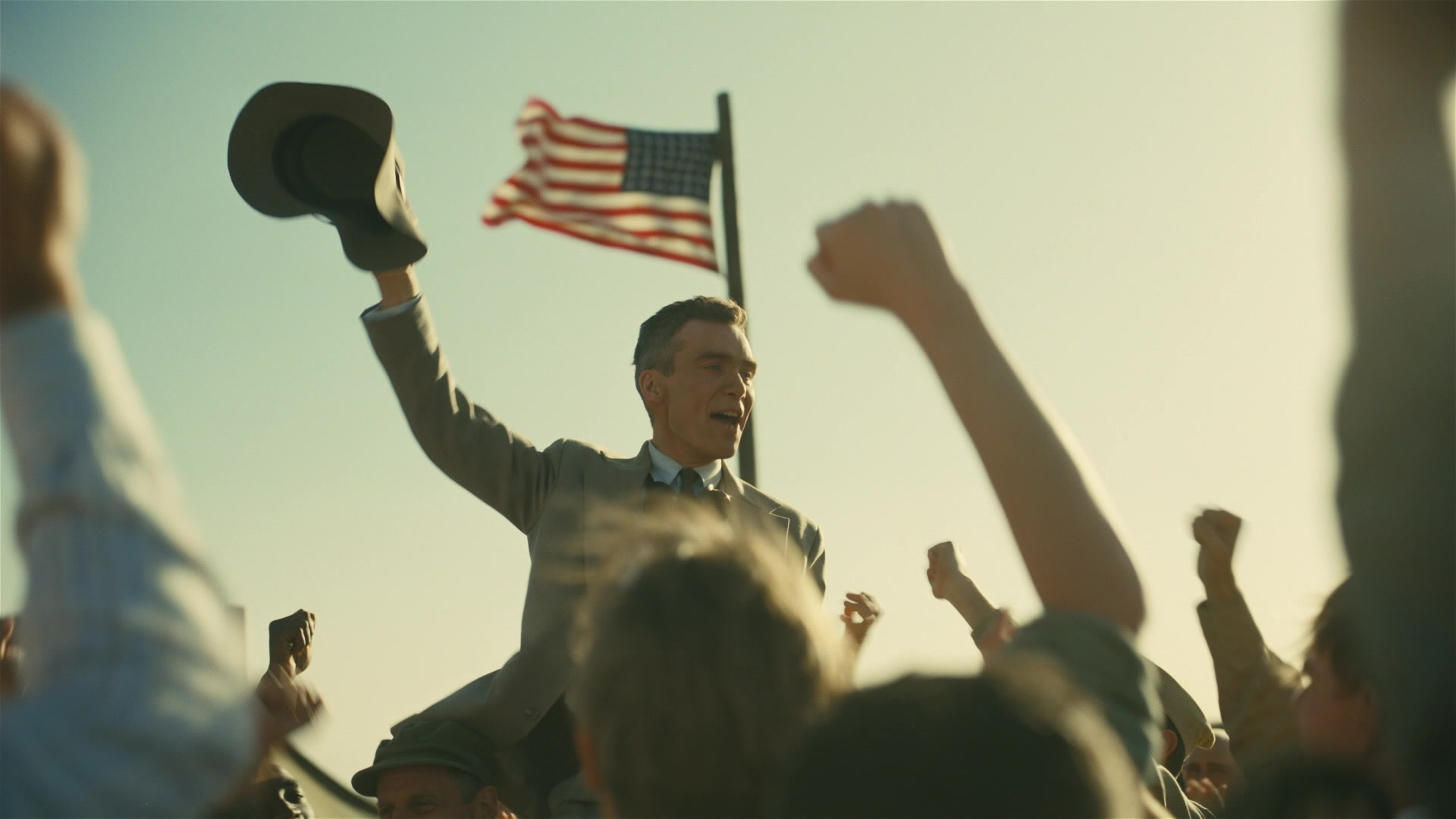
The moment this turns is just after the bomb drops. When Oppenheimer gives his victory speech to the populace of Los Alamos. "But I'll bet the Japanese didn't like it!" and "I just wish we had time to use it on the Germans!" are horrific exclamations of jingoistic nationalism. It's easy to understand the man sweeping himself up in the moment, but it's also important to see that already the cost of what he's done has started to weigh on him.
It's not that he doesn't fight after this, but his tactics change. Early in the movie he is quick to defend his political stands with metered, rational argument. But when Strauss starts to strip everything away, he turns inward. Kitty yells at him repeatedly for being a martyr and not fighting back against Strauss's ruthless campaign. It's an open question as to why he never does, but it's possible that a man as brilliant as him has already figured out that the security clearance is toast given the political hit job at play. Or maybe he's naive enough to believe that his patriotism will shine through amidst the Red Scare.
Whatever the case, the film returns to the idea of patriotism and Oppenheimer's loyalty to his country. No one outside of Borden really casts this in dispute. That's not enough, though. By the letter of the law there is enough evidence to say that Oppenheimer was reckless in his pursuit of the bomb, though that recklessness comes from the war effort itself and the urgency to beat Germany to it. While compartmentalization was the government's position, diversifying information enabled the rapid spread and development of ideas crucial to the time crunch at hand.
Yet the government itself turns around and stabs him in the back because...?
The United States (or any government really) at its worst has no loyalty to its citizenry. Kept unchecked, the government will pursue its own interests: that is, the whims and desires of those in power. It's why the Bill of Rights was necessary. Enumerating benefits that went beyond the rights of the government and its structural makeup proved paramount in the buttressing of the fledgling democracy.
Regardless, Oppenheimer remained loyal. He might have donated to various political causes in his younger years, but that is not a crime. He can say and believe what he wants because that's his right. He course corrected and shifted gears wherever necessary but all in the name of being a better person.
It's not like what America did. After getting their hands on the weapon he spearheaded, it turns its back on him. But that doesn't mean he loves it any less. He just demands better of his nation. J. Robert Oppenheimer is a patriot, doing everything in his power to build a better world and correct his greatest accomplishment that came as a result of his theories' mistakes and the imperfect execution therein.
A world he will not see
By the end of the film, Oppenheimer proves itself a tragedy. He became a scapegoat for the whims of a single petty man for accomplishing something truly magnificent (if also terrible) because his country asked him to. Strauss's nomination dissembling feels like a glorious victory because it's the comeuppance of an atrocious individual, the sort who should never be anywhere near technology with the capacity to destroy the world.
None of this is enough, though. The best Oppenheimer could hope for was to die before witnessing his worst dreams come true. Fortunately for him, he did. But his theories all pointed at potential annihilation. While they didn't always pan out, the problem with having them is it's easy for them to be all-encompassing. Theories shape the way we see the world and how we interact with it. Once formed, they become tenets, difficult to shake and dismantle, especially without something to replace them.
Maybe he's wrong. Maybe we won't destroy each other or the world. But that's just asking for the inevitable. It is enough that the threat of the thing lords over existence. Every day the bombs don't fall is a victory. But it just takes one bad day for all of these worst fears to come to pass.
Living in a world of theory can be wonderful. Magical, even. Anything is possible. But theory can only go so far. Eventually, reality bites. And when the stakes are impossibly high, all of the small little variables that stem from humanity's complexity flood these perfect model swith chaos. There might be no accounting for ingenuity, genius, and improvisation, but that also means there's no accounting for pettiness or vindictiveness. Oppenheimer did not imagine a man as small as Lewis Strauss wielding the amount of power he had (which, thankfully, was extremely minimal relative to the stakes). But it was enough to destroy the reputation of a man who once graced the cover of Time magazine purely. For... no reason at all.
This is thematic unity. In all moments Oppenheimer points towards these central concepts and ideas while also being a gripping drama told with all the flair and panache of a filmmaker as singular and gifted as Christopher Nolan. The way the past interweaves with the present and the impressionism of being in the mind of J. Robert Oppenheimer is something only he could have done. There are really not many biopics better, and certainly none that pitch themselves as a blockbuster like this does. It's difficult to imagine what Nolan is going to do that will ever top a movie like Oppenheimer. Maybe one day he might just pull it off.
In the meantime, he leaves it to us to imagine or theorize what he might do next.
And until that day the possibilities are endless.