The Highest Heights - Vertigo
Alfred Hitchcock's undeniable masterpiece owes its success to many different sources...
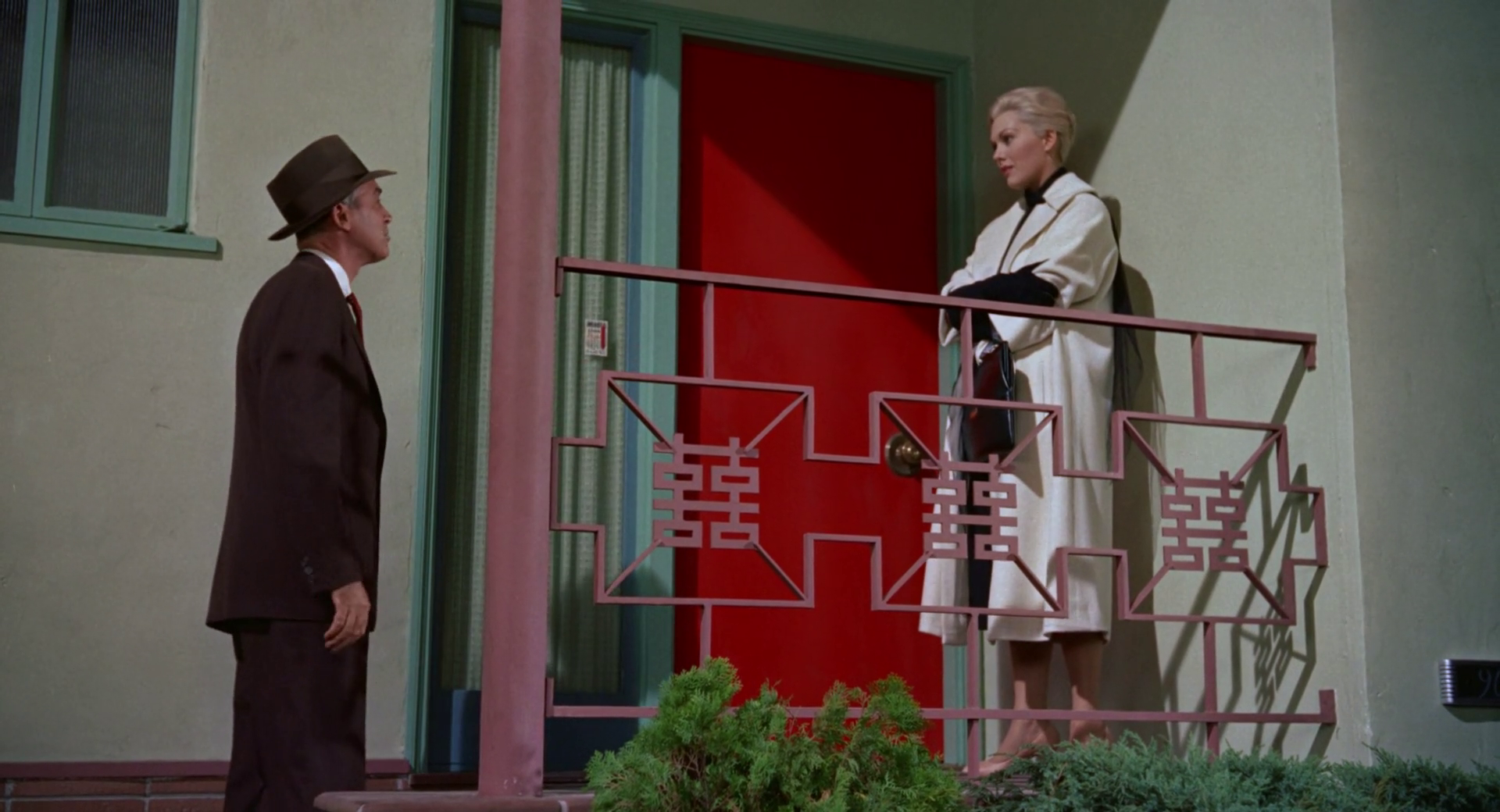
Any artist with enough output is going to return to the same themes over and over. Martin Scorsese is always grappling with his Catholicism or casting doubt on masculinity. Spielberg had made a lot of films about families in various states of decay/disrepair and how childhood figures into that.
With almost 40 films to his name, Alfred Hitchcock certainly had some deep-seated fascinations recur over the years. He made many thrillers and filled them with love stories. He wrestled with thematic topics like obsession and voyeurism. He repeatedly incorporated motifs like infidelity and murder and blondes. His films were tremendously successful, making him one of the most well-known directors in the history of the medium. That was especially unique in the era before Spielberg and Lucas started democratizing the under-the-hood processes.
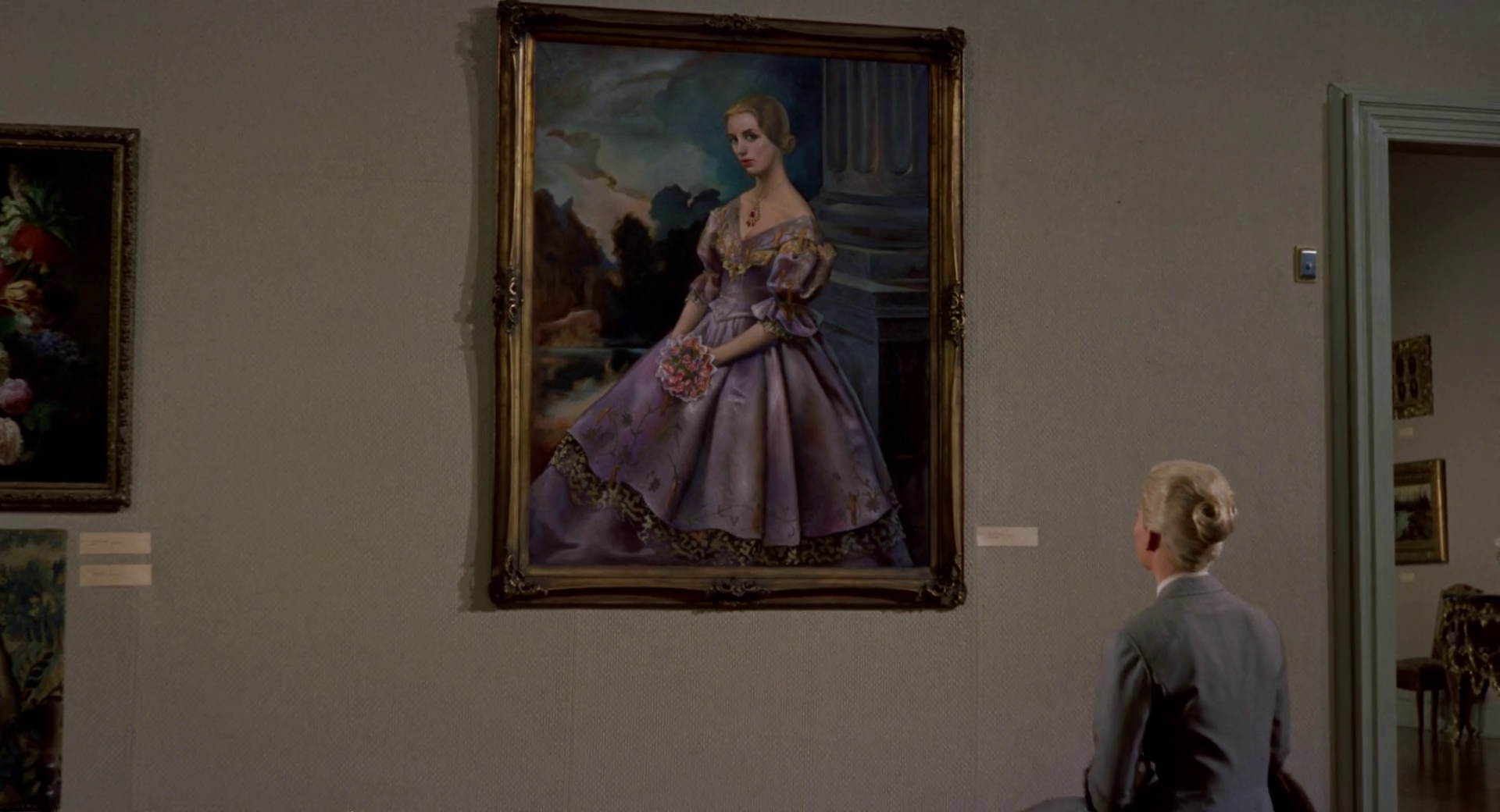
Hitchcock’s 1958 film Vertigo has evolved over the years as the consensus Hitchcock masterwork. It’s a movie that I dismissed over a decade ago as “quite good” after an initial viewing. In rewatching it for this, though, it’s a staggering piece of art. Truly one of the best films ever made. What improves it, though, is the context surrounding it. For more on this, Roger Ebert’s discussion of how Vertigo relates to Hitchcock is the sort of film criticism that really helps to illuminate all of this.
As a film, it’s stellar. As a piece of art within the tapestry of cinema, a personal reflection from a prolific & iconic director, it really is one of the great movies of all time.
Being like Shakespeare
There are four great Shakespearean tragedies: Hamlet, King Lear, Macbeth, and Othello. With centuries of consideration, the “consensus best Shakespearean tragedy” has usually shifted to one of these four, with Hamlet being the one most people would cite as his greatest masterpiece. There are times where King Lear and its nihilism might take the crown for a bit and maybe Macbeth can take over for a bit with its similar nihilistic, only with more violence/a hopeful ending. But Hamlet is the one that people will always return to as the avatar of Shakespeare’s pinnacle.
Like Shakespeare, Alfred Hitchcock has a few works that rotate as the consensus top shelf of his catalog. Psycho makes people think about a knife and a shower. North By Northwest has an iconic use of Mount Rushmore, a case of mistaken identity, and a biplane. Rear Window locks Hitchcock to the formal experiment of building a thriller out of a single location, using a massive courtyard set, a pair of binoculars, and the moral righteousness of James Stewart.
And then there’s Vertigo.
This descent into madness and obsession was one audiences rejected on its initial release and has since undergone a critical re-evaluation. It regularly appears not only at the top of best Hitchcock lists, but also on films evaluating the history of cinema. The decennial Sight and Sound poll of the greatest films of all time didn’t have Vertigo on its Top 10 in 1962 or 1972, but it’s featured in every one since 1982, hitting #4 in 1992, #2 in 2002 and 2022, and claiming the top spot in 2012. Because critics do not rank their submissions for the poll, success in Sight and Sound reflects a consensus agreement. This isn’t just a movie people like. It’s a movie they agree on.
The other totemic Hitchcocks
While this is an undeniable reputation, there is a sense that consensus could, someday, swing away from Vertigo and to, say, Psycho or Rear Window.
Psycho is the easier of these two to tackle. Legendary at the time and still Hitchcock’s most iconic work, it’s the fifth and final time Hitchcock received an Oscar nomination for Best Director1, which he lost to Billy Wilder and The Apartment. There’s nothing inherently bad about Psycho. Its bifurcated narrative still rips, and the current consensus agreement seems to be that the first half centering on Marion Crane is more interesting than the second’s focus on Norman Bates. Weird considering that the three most visceral scares of the entire film all happen after Marion Crane steps into the shower.
But this is kind of the issue with Psycho. It’s a very good movie and worthy of its canonization for Hitchcock’s mastery of the form alone. Nothing in his entire filmography is as iconic as the shower scene. Even still, the staircase scene freaked me the fuck out when I saw it senior year of high school. Between that and the final showdown in the basement I had trouble sleeping that night. It’s an undeniably effective film.
And yet, looking at the movie writ large, the air that comes out of the balloon following Marion Crane’s murder is undeniable. Those aforementioned setpieces feel are defibrillator shocks to a narrative struggling to keep itself alive.
With Hitchcock, there are times when the lack of suspense can feel like shoe leather he needs to power through to get to the good stuff. The languid moments of Psycho can’t compare to the relentless simmering tension of Rope and its ability to put the big moment in the first minute and then string the audience along for the next seventy-nine. Psycho could be his undeniable #2 were the interstitial work not such an albatross weighing it down.
But the whole is less than the sum of its parts…
And then there’s Rear Window. Vertigo might be Hitchcock’s best film, but to be transparent, Rear Window is always going to be my favorite. The conceit of the constraint, where Hitchcock has to build an entire film around voyeurism and the limitation of never being able to leave Jeffries’ apartment forces the director to solve a his-own-fault problem.
But unlike Psycho, the shoe leather between investigative set pieces are all incredibly engaging. John Michael Hayes’s script incorporates an apartment complex full of couples who reflect the film’s themes about commitment to long-term relationships and serious partners. The film itself isn’t just about Jeffries (James Stewart) investigating a murder, it’s about him recognizing just how valuable it is to have this relationship with Lisa (Grace Kelly). The whole point of the climax is Jeffries throwing caution to the wind and exposing himself to the villain’s wrath because he realizes just how much he can’t bear the thought of living without her.
To say nothing of the rest of that movie, with one of the great sets of all time, incredible imagery, and a twisty murder investigation.
Off the leash
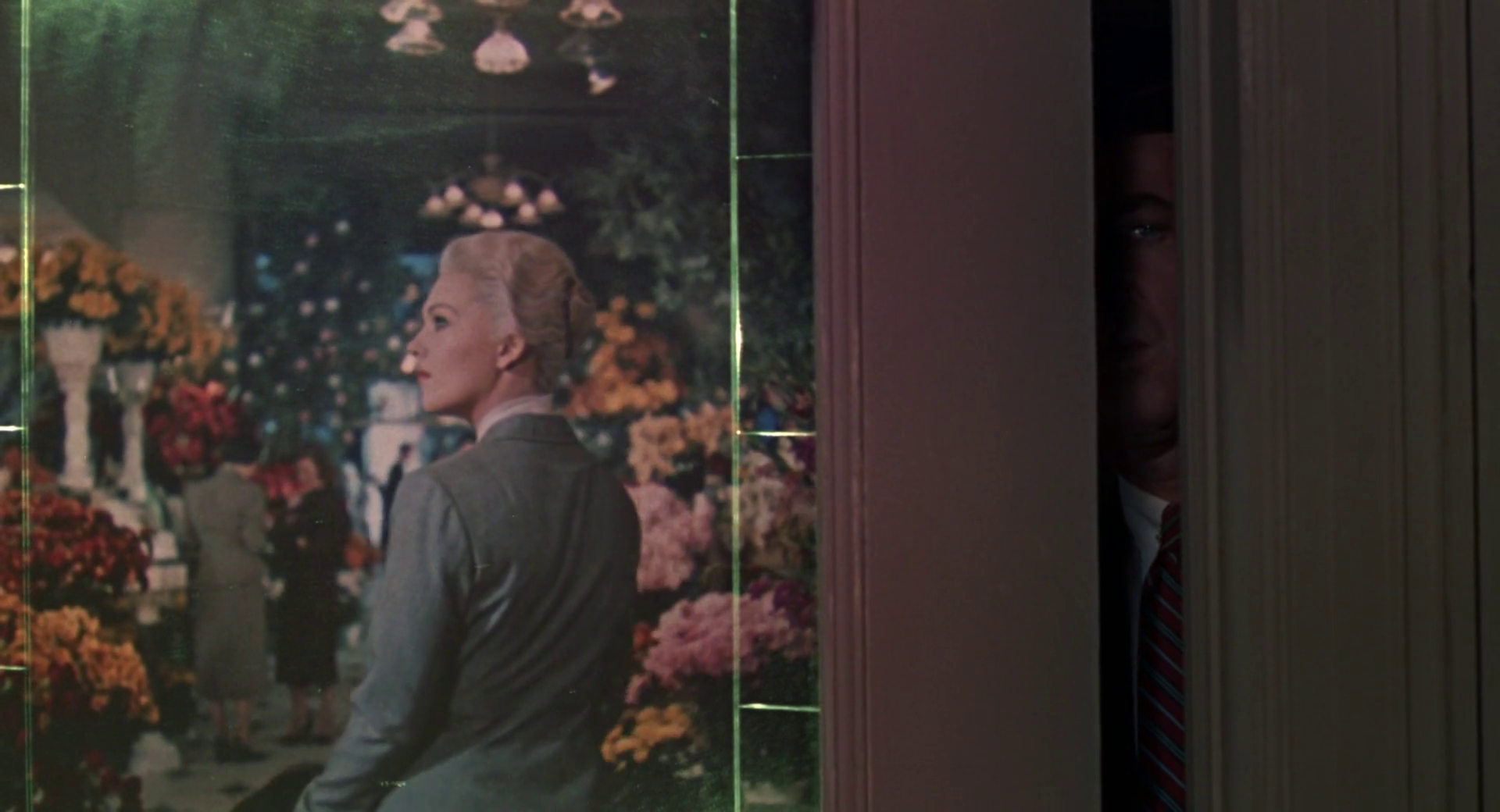
Vertigo is what happens when Hitchcock has no restrictions. He’s not tied down to the single locations of Rope, Lifeboat, or Rear Window. He can’t rely on either the creepiness of the eponymous Birds or the thriller twists of North by Northwest. With Vertigo he has nowhere to hide. Even the central dramatic notion of Scottie’s acrophobia exists primarily to inform the character. As an element upon which Hitchcock can build suspense, it’s most iconic as an opportunity for him to put the audience in Scottie’s mindset. The dolly zoom is iconic, and is a technique that other filmmakers have copied in the decades since. But is there more to it than that?
The movie has its twists, sure. There are aspects of ghost stories and the supernatural, but all of that is a red herring. In the end this is just a film following the obsession of one man and his compulsion to be controlling. Even the ultimate endpoint of the movie centers on Scottie trying to figure out what’s going on with Madeline/Judy and keeps Gavin Elster in the rearview so he can get away with the murder plot. Scottie doesn’t even care that the man has played him like a fool. All that matters is figuring out the mystery of this woman he fell in love with.
But being out in the world, being in color, these are facets of the film Hitchcock doesn’t take for granted. He uses them to build a dreamy quality. As Scottie starts to slip into this obsession with Madeline/Judy, he pulls the audience into the man’s obsession of trying to figure out what’s going on. It drives him insane.
That personal touch
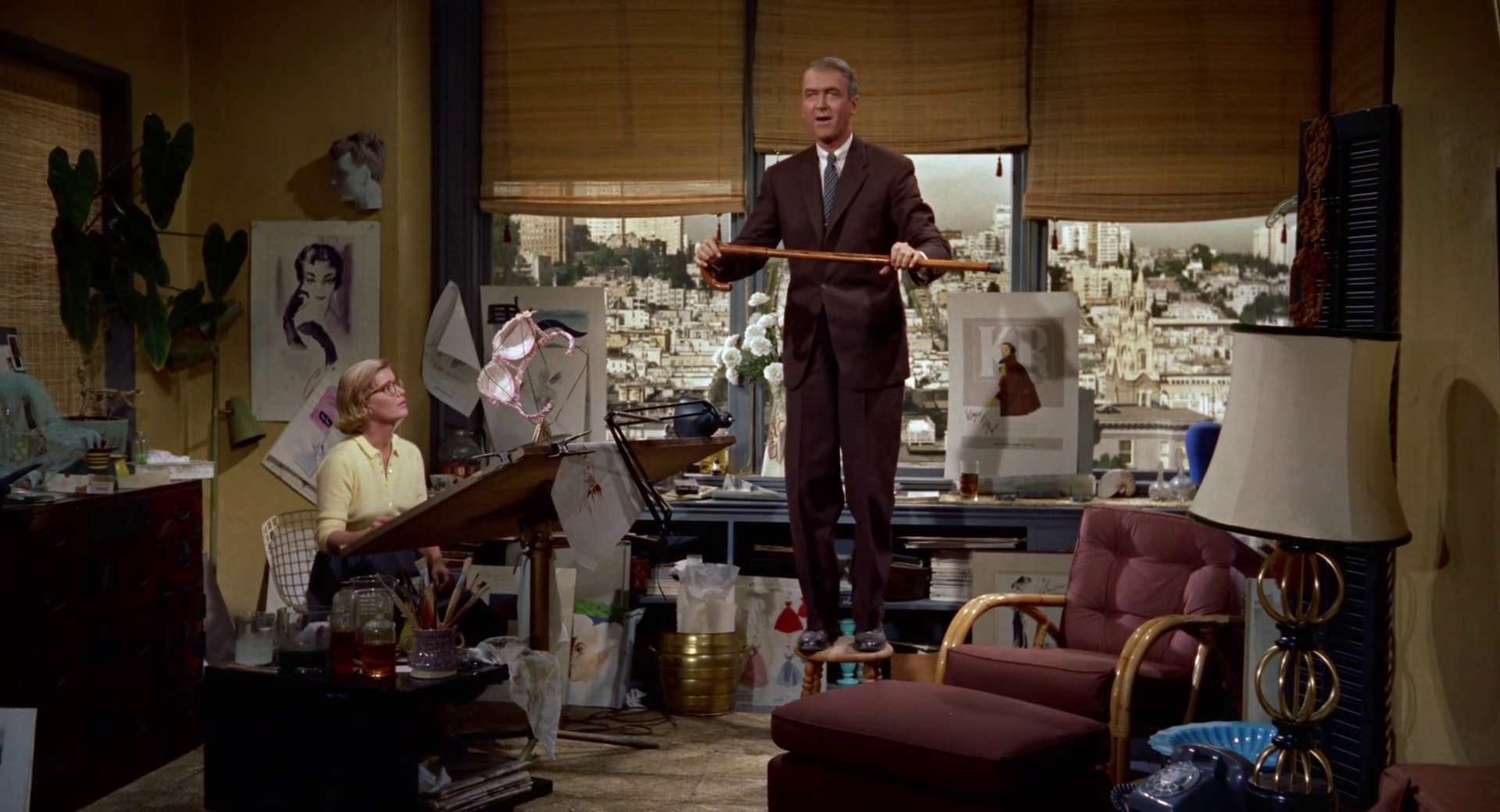
Hitchcock does all of this while being introspective about the sort of man he is. The aforementioned Ebert review goes into that at some length (you did read that, didn’t you?) but that personal touch is the thing that puts this over into the masterpiece category.
Vertigo is one of those movies that requires a second viewing. So much of the movie is about figuring out what the hell is going on that it’s easy to lose track of what it is Hitchcock is doing or the deeper resonances. These are the best films, the best stories. The first-blush experience speaks only to the visceral thrill of the knowledge of what a piece of art is.
Many people will leave it at that. And… to be fair to them there are many, many movies that work entirely on that level. Steven Sommers’ The Mummy is one of my all-time favorite movies and has the distinction of being one of four consensus films among my peer group that almost everyone would put on their list of Top 100 movies. But there’s not much more to that movie than what exists. It’s still a great experience every time, and it’s not like it gets worse or diminishes. But it’s not like it gets deeper or more profound. At best, it gets richer, with the film’s unique experience being one that so few films have captured since its release more than a quarter century ago.
But when it comes to Vertigo, my mistake was only watching it the one time. At the time, I was watching it for a podcast and my co-hosts and I were exploring some of Hitchcock’s most iconic works. Some years later, when one of those co-hosts picked Synecdoche, New York as a film for us to cover, he said I needed to watch it twice to fully understand what Kaufman was putting into it. And… yeah. Synecdoche, New York is absolutely one of those films that is hard to pin down that first time. Watching it again makes the film a much richer experience.
The same is true here. Holding onto the plot is one thing, but seeing all the ways Hitchcock infuses his themes into every scene is something else. Even the early scene when Scottie talks to his ex-fiancé Midge reveals his own myopic view of the world and how easy it is for Gavin to manipulate him. The expository scene at the beginning, where Gavin lays out his concerns about his wife and tasks Scottie with investigating is the sort of set-up-the-plot scene that appears in other Hitchcock films like Dial M For Murder. And yet there’s an ease and tension to the scene that feels involved on rewatch.
Given Hitchcock’s penchant for the suspense and thriller elements, it can feel like he isn’t thinking as much about the scenes and sequences without those. Like how the big romance scenes in a Michael Bay movie can be the ones where he’s yada-yada’ing so he can get to the big action setpiece. There can be a resigned “alright get on with it” aspect to theses moments. But Hitchcock puts care and attention into each scene.
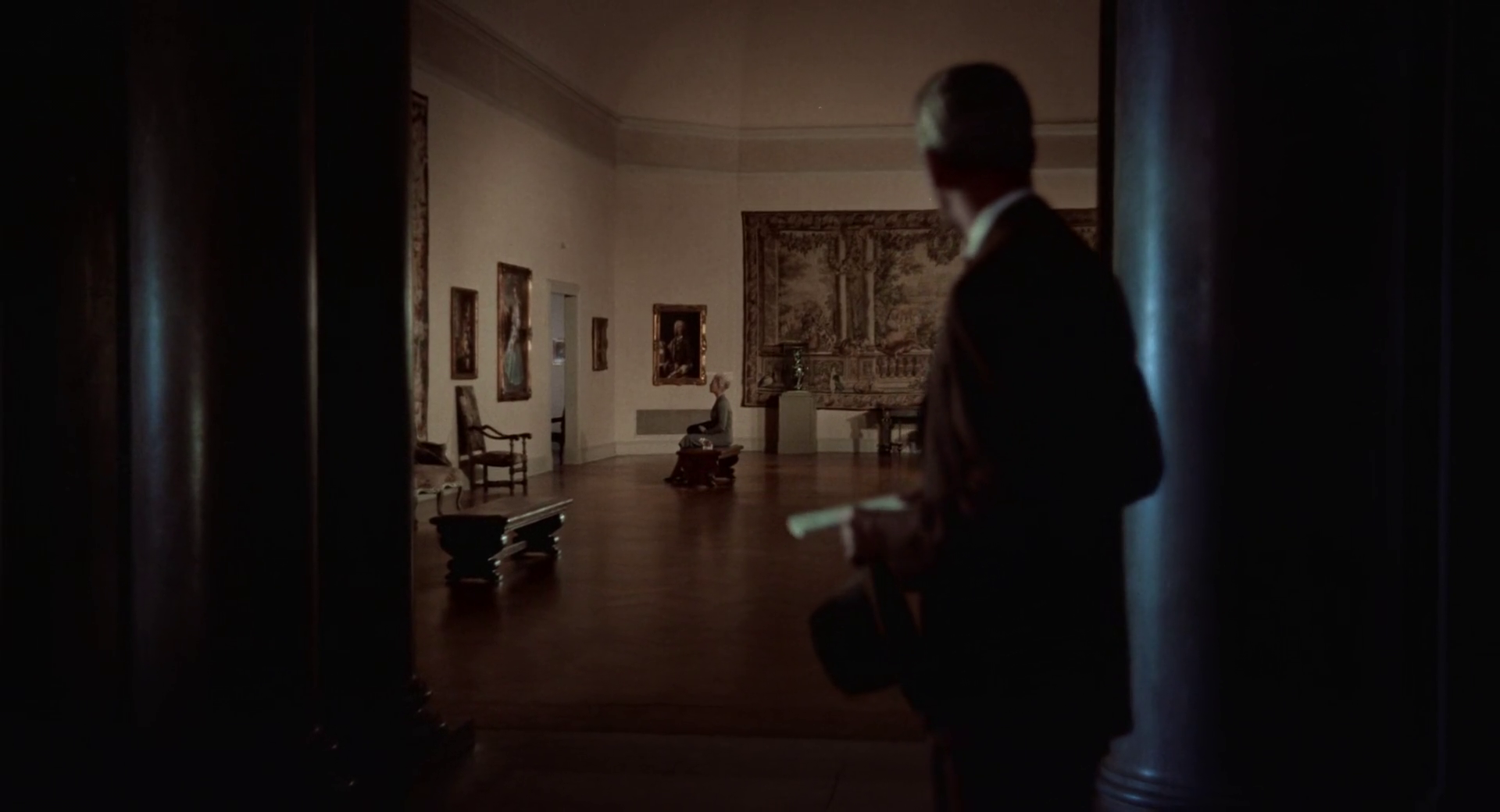
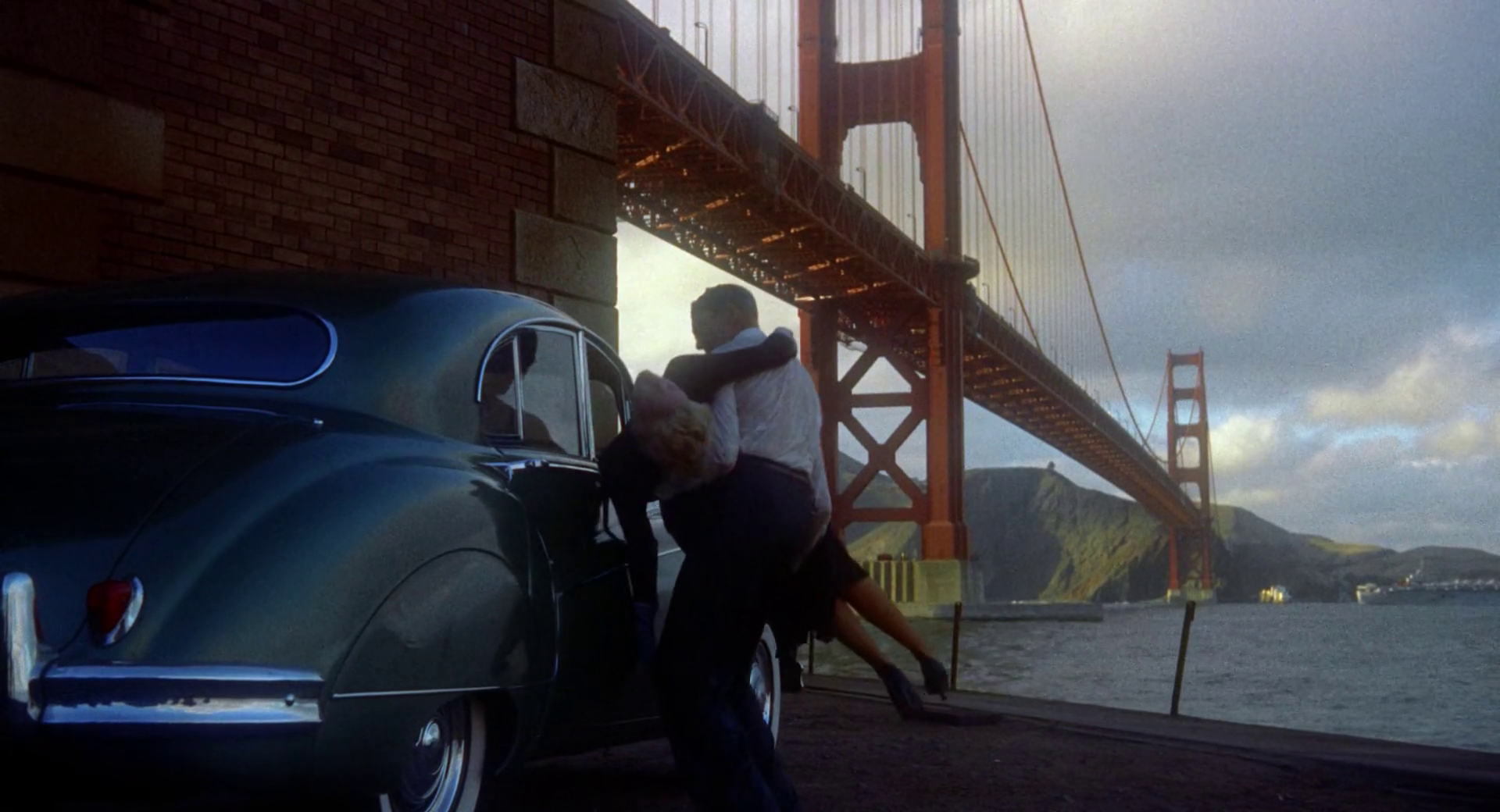
And much like how Rear Window keeps its focus tight on its themes about fear of commitment, Vertigo narrows like a laser on Scottie and his obsession. It makes the moments where that concentration breaks gobsmacking. When climbing up to the belfry the first time, it’s Scottie’s acrophobia getting in the way. At the climax, it’s the absolute jump scare of the nun coming out of the shadows. That sort of grasp over the audience is only possible from a master like Hitchcock, as he holds tight to his viewers and keeps them entirely in his headspace.
Context is king
When Blank Check With Griffin and David covered Stanley Kubrick, they reflected on Kubrick’s slowing as he got into the back half of his career. That early burst of creative output gave way to methodical genre exercises, almost like he made the best possible version of a certain genre before walking away to something else. A Clockwork Orange is nothing like 2001 in terms of content even though they’re science fiction, and the breadth of Kubrick’s filmography spanned singular, best-of examples for each film’s respective genre. Full Metal Jacket is still one of the definitive Vietnam movies just like The Shining is still one of the most iconic horror films of all time. Kubrick put so much care into his films that the gap between efforts was up to a decade between each.
Hitchcock had a different philosophy. His career spanned from 1925-1976, and from 1925 until Psycho’s release in 19602 the only years in which Hitchcock did not release a film were 1933, 1952, and 1957. He put out a movie every single year and some (1936, 1940, 1944, and 1954-1956) even saw two releases.
With that volume of output, there are definitely clunkers. To Catch a Thief is lackluster. No one outside of Hitchcock obsessives/completionists have heard of Under Capricorn or I Confess. There’s a ton of Hitchcock that live in the realm of “mid”. It also helps that the man always returned to those same similar themes of voyeurism, murder, and obsession. All of his best and most well known works live in the realm of suspense and thriller.
And yet, unlike Kubrick, that means that the ideas at the top of his mind exist in a larger volume of work, which makes them easy to pull out. It makes it much easier to not only compare Hitchcock films, but digging into the same stories over and over again can feel like variations on a theme. It’s almost as if he’s trying to figure out the best way to express some portion of the larger picture. Vertigo is one of the purest distillation of all these things in one complete package.
But more importantly, that context around Vertigo is what elevates it. Ebert providing context for the film’s larger role in Hitchcock’s works has elevates what is already a gobsmackingly good movie. To read Ebert before watching the movie is to spoil the joy in witnessing what Hitchcock is doing. To apply that context to his larger career means understanding that Vertigo really did break him somewhat. He never made anything better, and his inviting audiences into his brain space meant that their rejection of his more unsavory aspects (of which there are many; he is a problematic figure in these regards) cut deep.
This, though, is why it’s a masterpiece. Films (like all art) exist within a larger tapestry of context and understanding that simply isn’t capturable on first impression. It matters what the writers and directors and actors bring to the table just like it matters when they created the work or how an audience member feels on the day they finally see it. This context might not be enough to overtake my deep love for the formal exercise and ruthless precision of Rear Window, but it does help me recognize why Vertigo is his best film. Even more valuable is the way it pinpoints why so many others view it with such high regard.
If that is the lesson to take away from the past twenty five weeks reviewing classic films, it’s a good one. As I look at the rest of this year and the daunting task of building a new list of my 250 favorite films, it helps to remember that movies that work for me won’t necessarily work for everyone else. That goes both ways.
Vertigo might not be for everyone, and the superlatives it has earned over the decades since its re-evaluation might be a head-scratcher. But sometimes a work can be that good on its own, and so many people agreeing on its certain baseline of quality makes for something that really is undeniable. Quality wins out every time.
Even if that’s not clear initially, inherent excellence will always be present. Waiting for that moment of divine revelation.
The other four are Rebecca (he lost to John For for The Grapes of Wrath), Lifeboat (Leo McCarey for Going My Way), Spellbound (Billy Wilder for The Lost Weekend), and Rear Window (Elia Kazan, On the Waterfront). ↩
Hitchcock slowed way down after Psycho. And by slowed down, that means he did six movies across the last sixteen years of his career. Still not bad. ↩