
Measuring Cultural Irrelevance - Avatar (2009)
The film series that no one cares about is somehow the greatest box office success story of all time...

September 23, 2022. 7PM. I’m sitting in the IMAX theater at the Universal CityWalk AMC. Third biggest IMAX screen in the country. The trailers have just finished. And Avatar is about to play the first screening of its first major re-release in over a decade.
Back in 2009, I saw Avatar at my local theater. It was me and a big group, and we showed up late. This was in the days before assigned seating, so we wound up in the only seats left: front row and all the way to the right. It was in 3D, and they said it was in IMAX, but I’d learn years later that the screen was one of those smaller digital IMAX screens, but the mass tech’s mass deployment meant. Being a martyr, I took the far most corner seat.
That hardly mattered in the end. God I loved the movie. So did all the people I was with. None of us had ever seen anything like it.
Foolishly, I didn’t go back to see it again.
With The Way of Water approaching, I jumped on the inevitable Avarar re-release, getting me and my partner (who’d never seen it) tickets for what turned out to be a sold-out showing. After rediscovering the movie in 2014 and falling deeply in love again, the longing to rewatch it in IMAX 3D had only grown as the years had passed.
As the lights dimmed, something unexpected happened. With this crowd now sealed in for an experience we were all excited for, some dude in the back yelled “Three more months!!!” Poor guy. He’d probably spent the last 13 years either vociferously defending this movie to every person who’d turned their back on it or (more likely) remained silent whenever the bad faith criticisms arose. With the projector now running, he was in a room full of not just supposedly mythical Avatar fans, but die hard ones who’s sold out this opening night. He couldn’t help himself.
This, though, is insane. Everyone with even passing knowledge of box office numbers knows that Avatar is the highest grossing film of all time at the worldwide box office1. How is it that the biggest film of all time could leave a random fan isolated in his enjoyment? Avatar should not be an underdog at all, but more than a decade of discourse had turned it into a punchline, a posterchild for movies that don’t matter. A beacon of cultural irrelevance.
This is the consensus view on Avatar. And it’s deeply, hilariously wrong.

How much does box office mean, really?
12 years after he set an untouchable box office record with Titanic’s $1.8 billion, writer/director James Cameron blew through that with Avatar’s $2.7 billion haul. More than anything, all of the backlash against Avatar stems from this insane, nigh-untouchable number and the fact that he accomplished it back to back more than a decade apart.
Now, box office is an imperfect measurement. Disney’s move to an “all blockbusters” business model (which other studios have switched to as well) has twisted and perverted it as a useful metric. Of the top 25 films at the all time box office the only three that pre-date Avatar are Titanic (#4, 1997), The Dark Knight (#19, 2008), and Star Wars: Episode I - The Phantom Menace (#23, 1999). Additionally, of the top 50 highest grossing films of all time (worldwide), only Avatar (#1), Titanic (#4), and Frozen (#24) are not a remake, reboot, sequel, or otherwise built on some pre-existing brand with a built-in audience2. Sure, Avengers: Endgame temporarily seized the crown from Avatar, but for all that it’s an enjoyable, watchable, great film, it still drafts its catharsis off 21 films released in a 12-year span. All of that build-up and resolvesy as a culmination/ending. Meanwhile, Barbie (#13, 2023) is a great movie, but mass awareness of the Mattel brand helped juice much of that initial box office. Avatar: The Way of Water (#3, 2022) is obviously a sequel.
Meanwhile, Avatar made all that money off of… what, exactly?
Anyone who complains that Avatar’s box office is a fluke because of format-based inflated ticket prices ignores the fact that studios rode those same pricing conventions to mainstream hundreds of other 3D and IMAX movies in the intervening years. Of all those movies, only one has managed to (however briefly and minimally) overtake its sheer volume of cash earnings. The only other movie that’s come close is The Way of Water.
What Avatar, Titanic, and The Way of Water all have in common is not just James Cameron, but specifically his implementation of a power emotional journey. He realizes Pandora as a lush, gorgeous moon with wondrous flora and fauna, but it’s the classic hero’s journey about a man who turns his back on his own rotted culture that kept people coming back to look. There’s no way Avatar made this amount of money because it’s an extraordinarily expensive screensaver. Cameron puts his hippy leanings on full display, making a movie that is anti-military, anti-capitalist, anti-war, and pro-environmentalist. He’s so good at what he does that at the film’s halfway mark he puts a sequence where a bunch of future-helicopters bomb the shit out of the biggest damn tree the audience has ever seen. Even though almost all of it is digital, witnessing the collapse of Home Tree is a distressing experience, the kind that traumatized its audience to tears because of how humanity obliterates the Omaticaya tribe’s home. And all in the name of some rocks.
To use a counter-example, Star Wars Episode I: The Phantom Menace made a billion dollars at the box office and sat just below Titanic at the box office #2 until The Dark Knight came around. It also had cutting edge technology and a pro-environmentalist message, where George Lucas’s classic romanticism3 is not so far from Cameron’s hippy bullshit. But Phantom Menace made just over half of what Titanic did. Why? It even had the Star Wars brand boosting awareness. Would love to hear an explanation that isn’t “Titanic is a better movie.”
If there’s a dividing line after True Lies, it’s that James Cameron starts weaponizing his capacity for emotional clarity by deploying it for a mass (re: PG-13) audience. At some point in the lead-up to The Way of Water he talked about how massive box office receipts would need to justify the exorbitant budget of Avatar’s ambitious sequels. To get there, he would need to make films that had the broadest possible appeal. At $10 a ticket, 3% of the world’s population would need to see his film for it to make $2 billion at the box office. While the easy solution would be to make something four quadrant that appeals to the lowest common denominator (the Disney method), Cameron’s approach to Avatar was to trust his own taste and believe that would appeal to a mass audience. When the studio wanted him to cut down the ikran flight scene, Cameron refused, saying that the audience would want to feel the euphoria of a moment Jake had earned because Cameron himself wanted to bask in it. That inherent trust of his own instincts adds to Avatar’s final product as singular vision from an artist with a perspective, message, and good taste. Audiences responded.
If cultural critics want to deny these stats, though, it’s only fair to evaluate some general consensus. For quality.
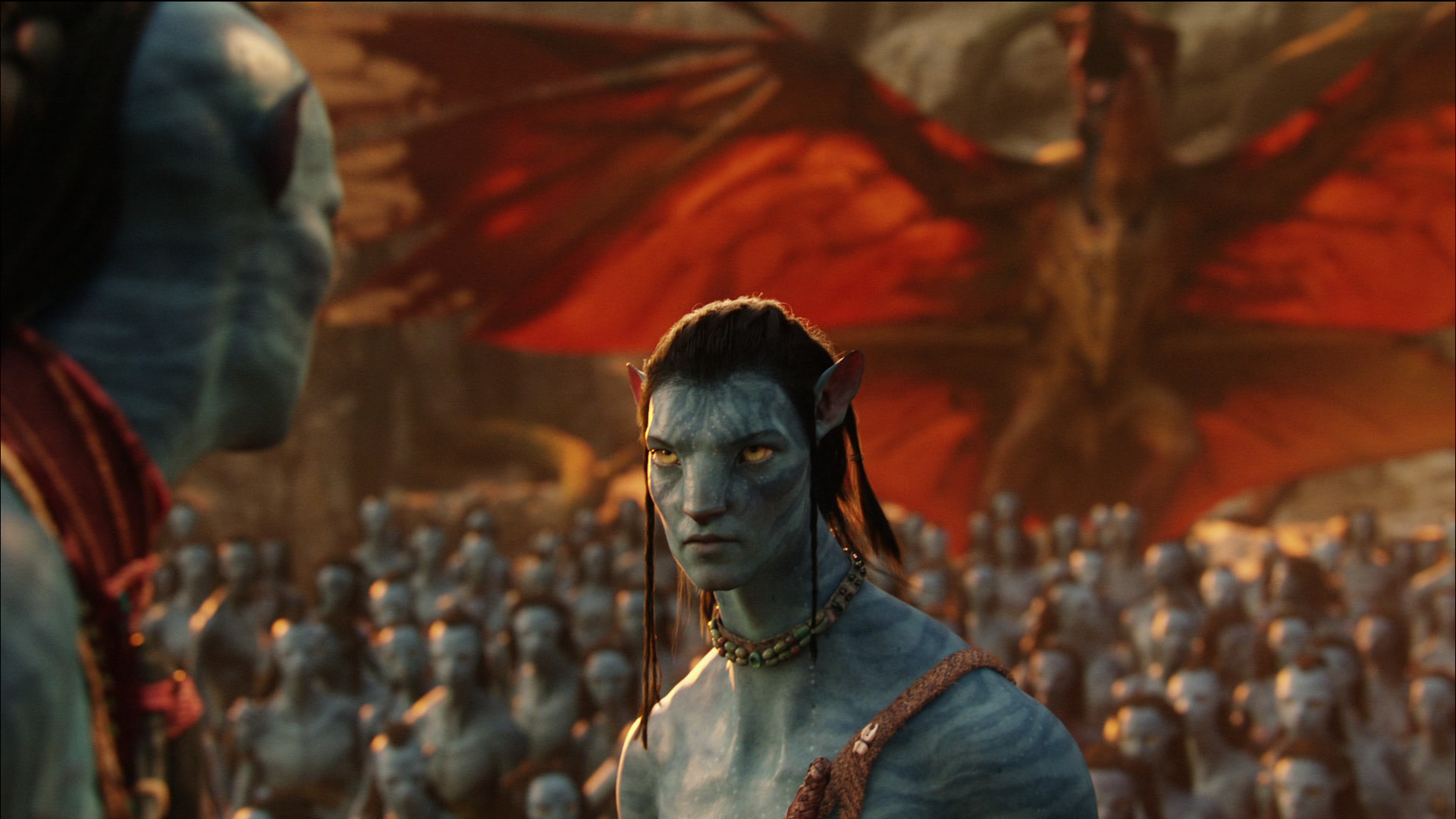
Pull out your rulers/scales/protractors/measuring tapes…
What even is cultural relevance? How is it possible to quantify what is or is not informing culture? Is it overall discussion? There are a handful of movies every year that stay in the cultural conversation for a spell, but rarely do movies stay at top of mind forever, and certainly not in the endless roll of the 21st Century.
Let’s set aside all the many people who cried when Home Tree fell. Emotional resonance and earned human connection and empathy is all bullshit. None of that is cultural relevance. Here’s some real critiques.
“No one even knows the characters’ names.”
I mean, I do, but that’s also because I’ve seen this movie many times. Many will counter that Star Wars is a movie with lots of nameable characters. This is true. But anyone who’s going to name Star Wars characters has also watched that movie multiple times. Of course they have an intimate enough relationship with those characters to know their name. Given Star Wars’s cultural ubiquity, the fact that no one ever utters the word “Ewoks” in the original trilogy should reveal just how much merchandising and marketing play a role in mass awareness of specific aspects of the brand.
Hell, after eight seasons, there was a huge swath of Game of Thrones’ viewing constituency who couldn’t name many of that show’s characters. And they’d spent dozens upon dozens of hours on them.
Everyone should go think about a movie they watched more than five years ago, something they loved but only watched once. Can they name five characters?
For me, I don’t remember the names of the characters from Us, and I’ve seen that movie several times. Outside of Benoit Blanc, Marta, Ransom, and the family name “Thromby”, I don’t remember any names in Knives Out, and I’ve seen that movie a dozen times.
To use an even more relevant example, I invite anyone to name characters from Parasite. This might seem unfair, considering that the film is in Korean and about Korean characters with Korean names. But to be fair, Avatar is a movie about Na’vi characters with Na’vi names. Anyone who expects people to remember “Neytiri” or “Mo’at” without engaging with the text is being disingenous.
Also, not for nothing, but is the mark of a good movie how well audiences remember character names?

“I’ve never rewatched it, nor had a desire to.”
Everyone has the right to not go rewatch a thing, but considering that Avatar is a super watchable, exciting, emotional film that millions and millions of people responded to, maybe open your heart a little, huh?
“With its reliance on 3D and IMAX technologies, Avatar is more experience than film.”
Considering Avatar’s place within the zeitgeist and what it birthed, this is an easy argument to make.
It’s like watching RRR at home. Could I do it? Sure. But that theater experience really enhanced my enjoyment of the film. It would still play great on my couch because a good movie is always going to be a good movie. If that weren’t the case, there’s no point in watching a Christopher Nolan movie on a plane.
This is a silly argument, though. Avatar doesn’t need the theatrical experience to make it worth watching, but there’s nothing wrong with encouraging the theatrical experience, especially when someone like James Cameron has put so much thought and detail into making these formats work for him.
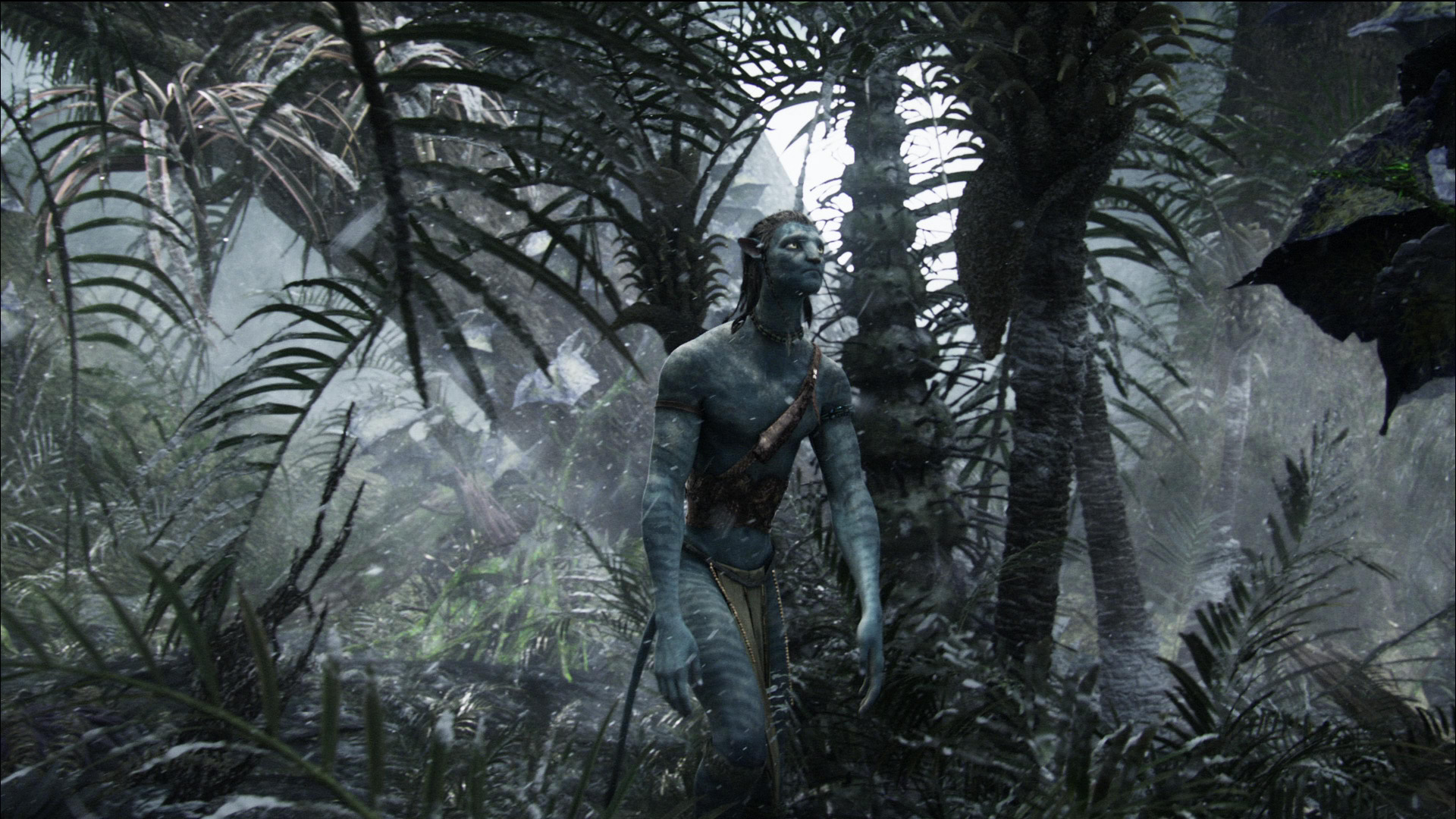
“I walked out of the theater and the glow faded and I’m not thinking about it anymore…”
This is also extremely valid. There are plenty of screenings I’ve left that I’ve forgotten about by the end of the day. My go-to is The Amazing Spider-man 2, which left such a little impression that halfway through lunch (which was between me leaving the theater and returning to my car), it took me a minute to remember why I was eating where I was.
But how a movie lingers is only one metric of quality. Yes, I put a lot of value in still thinking about Weapons or even Dune Part II. But sometimes you go to a movie and it’s just a movie. The lights go down, it entertains for a set period of time, it inspires thoughts about the world, the lights come up, and that’s that. Can’t that be enough? Pure entertainment is a virtue even if there are objective problems with asking an audience to turn its brain off. Which Avatar does not.
Forgetting how much fun they had for a stretch of time makes people normal. There’s nothing wrong with not thinking about a film much after the initial process of working through feelings. Entertainment doesn’t have to be a perpetual feeding tube to keep everyone’s brains busy 24/7. That’s our phones and the attention economy fucking with us by making us think we need constant stimulation.
“The movie is just Dances With Wolves/Ferngully/Pocahontas etc…”
First of all, didn’t know there was such a loyal fanbase for these movies. To those for whom the misappropriation of Ferngully is some desecration, I apologize. I’m sure Avatar feels like it’s not so much treading on memories as pouncing on graves. Though it’s not like Ferngully is some superior movie, nor is it particularly close.
Less jokingly, Dances With Wolves and Pocahontas both feature white men who ingratiate themselves with indigenous peoples and develop romantic relationships with a native woman. Like with those movies, Avatar explores themes like awakening to being party to colonization and the moral abomination of robbing land and property from those who’d already laid claim to it. This idea of “colonialism is bad” is a story worth telling? Isn’t “native people are not some populace for us to conquer and displace” a message worth spreading? Society needs stories that explore these topics so audiences and the general populace can better understand the world as it exists.
But like with Ferngully, Avatar is better than Dances With Wolves and Pocahontas. So why pretend like they’re some suitable alternative?
“There are no major tie-in books, merchandise, spinoffs, etc. Outside of a weird Cirque du Soleil show, nothing significant came out in the wake of Avatar until its sequel.”
Weird complaint.
While it’s true that 2010-2022 didn’t have a glut of Avatar toys, apparel, or otherwise universe expanding content… is that a metric we really want to use? What happened to “we want original stories” or “ugh Disney is just trying to move merchandise.”
Nowadays, any blockbuster like Avatar is part of some shared universe from which a studio can farm their IP to rake in the cash. Had Cameron sold the rights like he did to get The Terminator off the ground, Fox would have done a full merchandise press on Avatar and fast tracked any number of sequels. Cons for the better part of a decade would feature random people wearing a whole manner of garishly designed Avatar apparel. Which is better?
Do we really want the stories of our world to be vehicles by which studios and corporations can monetize our love for them? Is the merchandisifiation of mass media the world we want to live in? Is that really what we want out of these big blockbusters?
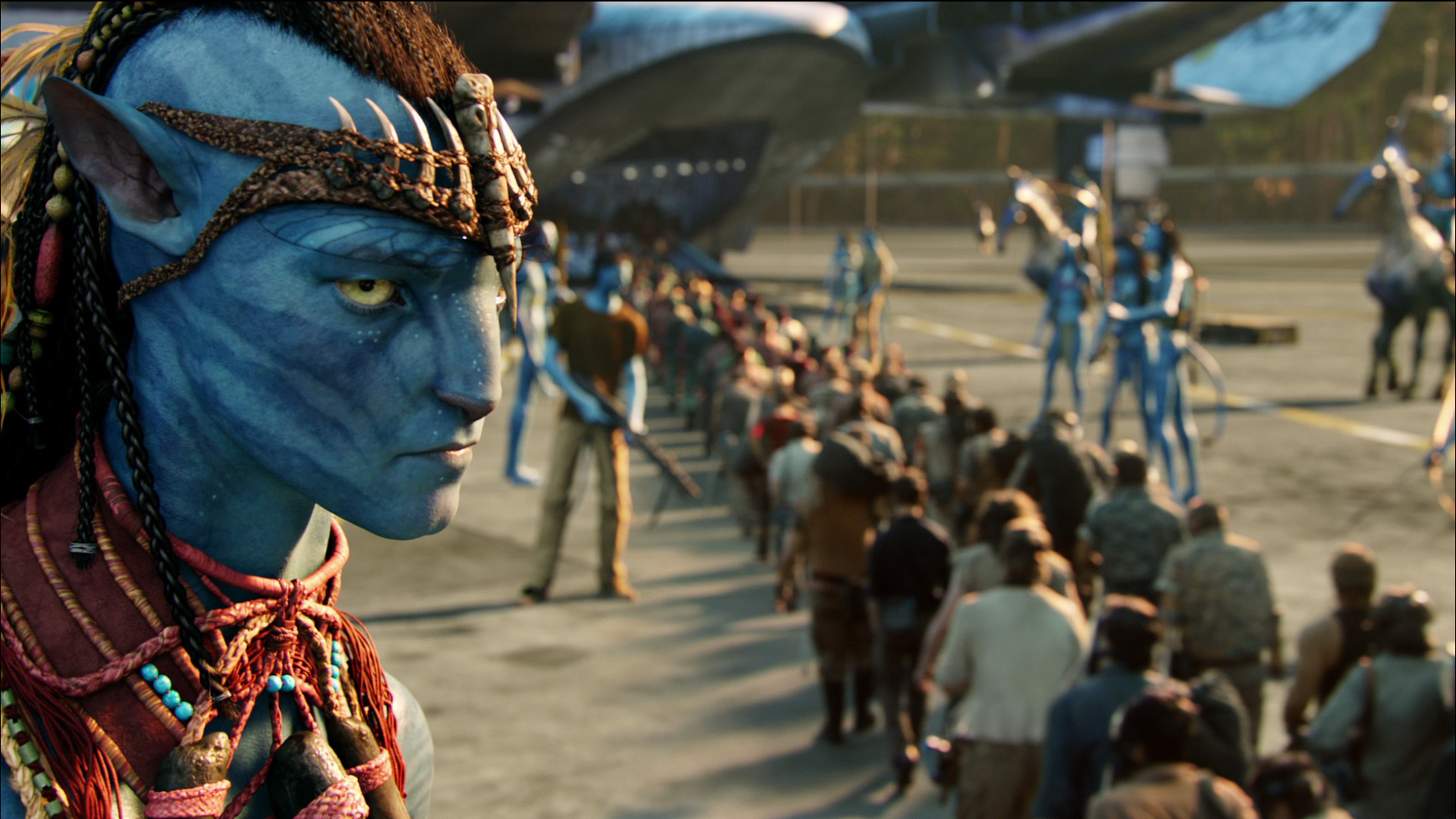
[Pre-2022] “There’s no sequels!” or “Nobody wants sequels!”
If the complaint is that James Cameron is taking “too long” for the sequels, would audiences rather studios churn out movies like they’re coming off some factory assembly line? I absolutely wanted Avatar sequels faster and sooner, but if rushing had made The Way of Water any less good, it wouldn’t have been worth it. Marvel Studios and Star Wars ran aground of this strip mining and look where they are now. Over the past two decades, movies have become line items on quarterly earnings reports and that matters more to the studios making them than the quality of the actual product. They have become vehicles for selling merchandise. Maybe this is a bad thing.
And even if all of that were not accurate, The Way of Water proved the above quote completely wrong. It came out and knocked Titanic from 3rd place to 4th on the all-time box office list. That’s truly insane.
But even if all of that is not enough and there’s a demand for sequels that never came, is Avatar somehow less if it’s a standalone movie? It has a definitive, incredible ending that would be satisfying even if no Avatar movies ever came out again. If major successes only count if they can be more than standalone, maybe audiences could re-evaluate another film that was the highest-grossing film of all time upon its initial release, one that featured a deeply emotional sci-fi story about a white boy and his relationship with an alien? Because I don’t think anyone judges E.T. The Extra-Terrestrial for its lack of sequel.
“It’s such a hippy tree-hugger movie. I don’t need to see Cameron to convinced me that we should save the planet. He needs to tone down the messaging”
Love that we’re seeing a concerted push from nerds and moviegoers everywhere to change their lives in the name of saving the planet. It’s great that climate change’s ending only really started and happened because Avatar inspired humanity to solve climate change. Thank god it’s not an ongoing concern that’s going to affect the lives of every human for the next century.
Should movies not try to enact change in the world? If anyone saw Avatar and then decided to go out and save the environment or slow climate change or make the world a better place, isn’t that a net positive? And if Cameron has to be loud and unsubtle about it, does that mean the message is not worth saying? Hating the medium is perfectly within anyone’s rights, but shouldn’t the message be more important?
No one is going to argue that the movie isn’t heavy handed. But Cameron ties the environmentalism into the core of the story he’s trying to tell. It’s literally part of Jake’s arc. What else should the movie be about?
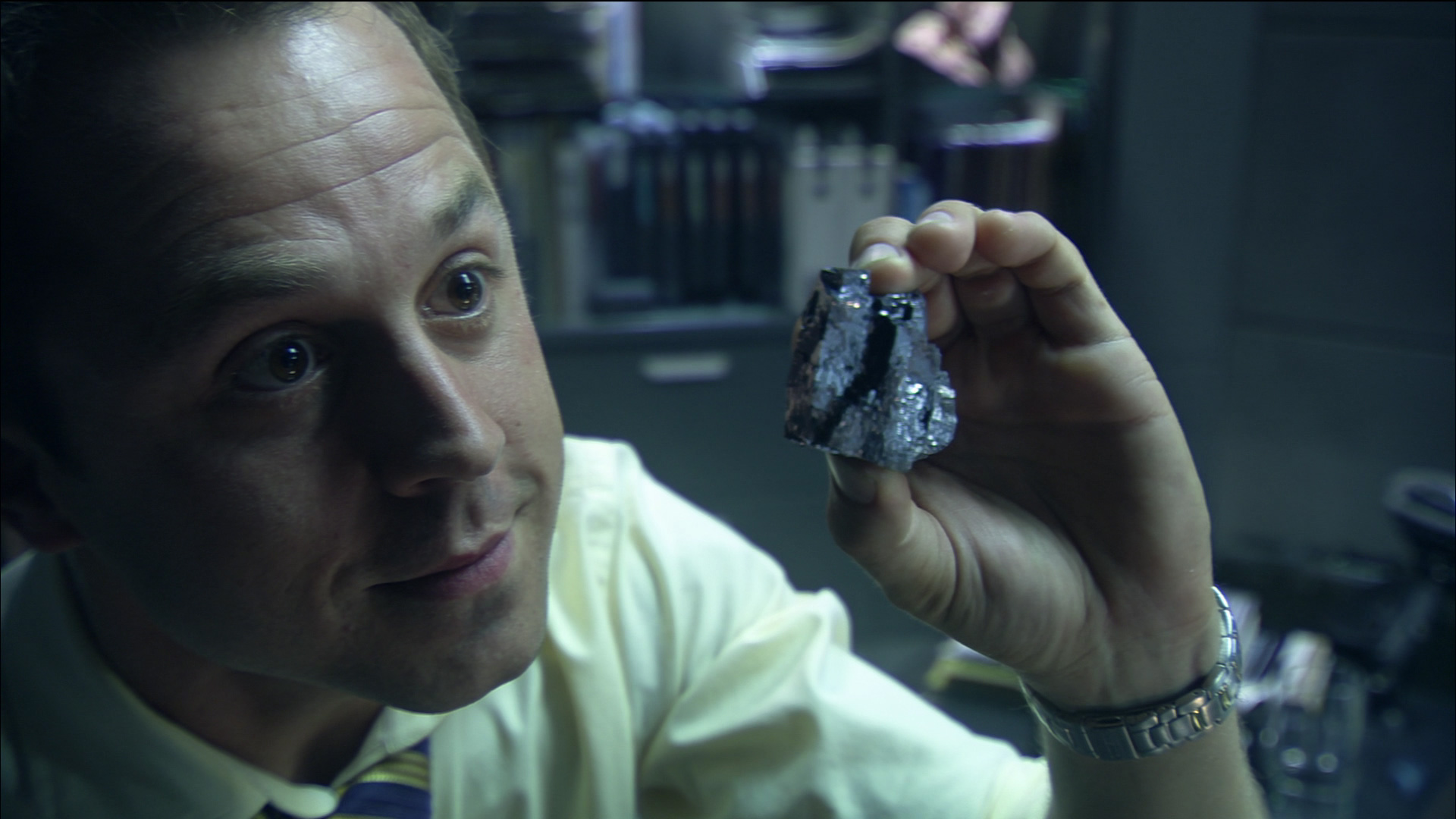
“One word: unobtanium”
Three words: go learn something.
“Miles Quaritch is a terrible, one-dimensional, mustache-twirly villain. Likewise, Jake is flat and a total cypher for the audience.”
The film would not be better if we knew some tragic backstory about Quaritch and how he got those scars. Sorry that I don’t feel the need to build an empathy bridge with a dude who doesn’t hesitate when the opportunity for genocide happens. Instead, Miles Quaritch is a man simple to understand but without being one-dimensional. He really does want to give Jake his legs back and he really does care about the men in his command. He’s also a miserable bastard like so many other miserable bastards James Cameron has written into literally every one of his movies.
As for Jake… it doesn’t help that Sam Worthington plays his character in a pretty milquetoast way. But Cameron designs Jake’s arc as clean and easy to follow. If an audience is ahead of the director or the movie itself, it doesn’t explain why people go back to rewatch movies like Halloween. These things have resonance even if audiences don’t want to admit it. If the choice is “crystal clear but also simple” or “quite muddy because it’s so complex”, the former should always win out if the goal is to have the broadest reach possible.
“It’s a white savior narrative and that’s gross.”
There’s not really a defense to this except to ask what is the alternative in this particular case? History is full of technologically superior invaders utterly decimating the societies they view as “primitive” because of their relative lag in development. Europe’s wealth meant a lot of those decimators are white. That’s just fact.
But to the white savior point specifically, the genre does threaten to infantilize that technologically inferior/primitive society. Cameron mitigates that by showing the Na’vi are plenty competent on their own, with their own strengths that come from life on Pandora. They are not an inferior society, nor are they some bastion of edenic goodness.
The central argument for why the Omatikaya need Jake is because the humans come with destructive technology that far outstrips what they’ve evolved to deal with. Without Jake, Quaritch and the forward operating base would have annihilated the Na’vi before going on to industrialize the entire biosphere. There’s no shame in needing Jake to help them out. And he doesn’t try to bend the tribe towards whiteness moving forward.
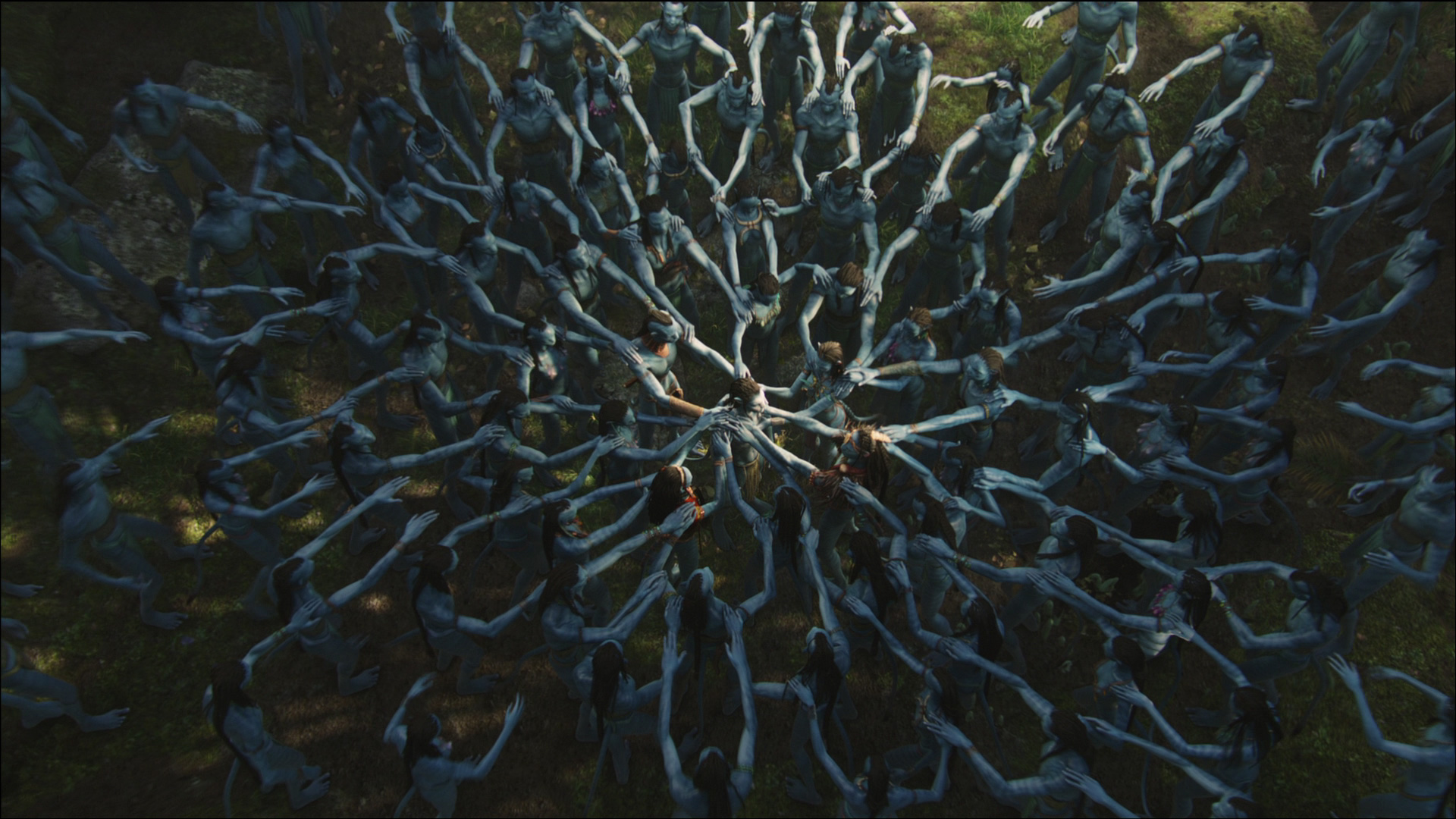
But… yeah. Jake ends up being a Savior who is White. But his understanding of the two cultures gives him a leg up when it comes to his interaction with both. It allows him to think outside the box and derive solutions that help him enable the Na’vi to save Pandora. He grows to detest the humans and how they operate, and in the end opts to renounce his species altogether. Considering how shitty the humans are, this is not a bad thing, especially considering the Na’vi welcome him in as one of their own. They did not have to do that, but Jake proves his worth to them and then… he’s not really a White Savior anymore. Now he’s one of them. And that’s why making Avatar a science fiction movie gives it a leg up relative to something like Dances With Wolves. Costner can’t get felt up by a bounch of Soul Tree vines, pass through the eye of Eywa, and come out the other side.
“No one cares.”
There are nearly three billion reasons from all over the world that this is incorrect.

Avatar being #1 could define us
Almost all of Avatar’s issues come from people unable to comprehend how a movie so “mid” could uniquely make all of that money. Film fanatics should love the most popular film of all time. It should dominate the cultural conversation like Star Wars or The Matrix as a sci-fi text worth studying, but instead they critique it as inadequate because it didn’t work for them.
What Avatar needs is a cultural re-evaluation. This is harder in a world where Avatar sequels now exist. But Avatar’s popularity and emotional resonance is undeniable. No single person has ever managed to match James Cameron’s talent for creating populist cinema whose global audience cuts across race, gender, culture, language, age… If the movie’s decayed in anyone’s minds, it can be hard to rationalize the reality the numbers present.
So how about this: Avatar is a great, standalone science fiction, action-adventure film with universal themes. Its impact immediately mainstreamed 3D releases and (alongside The Dark Knight) helped made IMAX a popular upsell to the point where a decade and a half later there aren’t enough screens to meet the demand. General audiences loved it, but Hollywood did nothing to enable other visionary writer/directors to make monster blockbusters based on original ideas. Instead, studios pivoted to sequels, reboots, remakes, and shared universes. They focused on the upsell and the making of the money. As they are wont to do.
Avatar doesn’t function in the standard, usual ways in which these films usually operate, and that’s made it extremely easy to dismiss.
But all the people who dismiss the movie are choosing not to live in a world where they get to enjoy something this easy to love. Avatar is insanely watchable. More importantly, the tantrums about how Avatar isn’t relevant ignores something vital: we should be proud that this terrific, big budget, pro-environmental, anti-capitalist, anti-corporate, anti-military, corny, emotional, original story blockbuster represents the pinnacle of what we as a culture aspire to be.
One day when we have to defend who we are to some extra-terrestrial species, we’ll be able to say that the biggest movie of all time acknowledges the worst of what humanity offers while also daring to dream of what we could aspire to be.
That’s not irrelevancy. That’s cultural unobtanium.
Note that all the following stats are not adjusted for inflation… ↩
Generously: Frozen sells itself as a Disney princess animated classic and Titanic is about the most famous ship sinking in history. But… they’re still original films. ↩
In the 19th Century sense. Romanticism posits that society is an inherently corrupting force. It’s only through returning to nature that people can find a more pure and fulfilling existence. It’s why Naboo is so lush and ecologically diverse compared to the corruption of city-planet Coruscant. Or (to anger people) why it makes perfect sense to George Lucas that the Ewoks would have no problem defeating a militarily superior force like the Empire. Darth Vader’s existence as “more machine now than man” makes him an ideal metaphor for that central driving philosophy. ↩