
Left Out In the Cold - The Running Man & the Films of Edgar Wright
In which I argue that maybe he should leave the emotion out of it...
The following contains spoilers for the films of Edgar Wright
In the climax for Shaun of the Dead, all hell breaks loose. At its emotional height Shaun’s mother finally succumbs to her zombie bite and Shaun (as wielder of the rifle) has to pull the trigger to shoot her in the head and save her from an eternity of reanimated corpsedom.
It’s not like Pegg doesn’t sell the moment. He’s acting his ass off in that scene just like he does in every other. And it’s not like the script isn’t good either. Pegg co-wrote it with director Edgar Wright. The script hits all the beats that it should. It’s maybe a little muddy in the end (Shaun gets to play video games with a zombified Ed despite the script spending a lot of time trying to get Shaun to grow up; lotta cake eating/having), but it hits all the beats that it should.
This emotional hollowness happens throughout the film. Saying goodbye to Phillip feels more emotional than Shaun doing matricide but it still doesn’t fully work. Dianne and David’s complicated relationship has all the hallmarks of being emotionally rich, but the most emotion that comes out of it is Dianne racing headlong into the hoard of zombies to try to save an eviscerated David. It happens in an instant and comes from Lucy Davis’s performance.
I once had a friend who claimed Edgar Wright as his favorite filmmaker. He loved all his movies and constantly vouched for him. Meanwhile, I really struggled with them. At the time, it was mostly Scott Pilgrim Versus the World, which has a third act problem I’ll never be able to look past. Soon after, it was The World’s End, which is very clear in its themes and emotional core, but felt just so…. cold. Wright’s films are technical marvels, and his breadth and depth of cinematic knowledge is second to probably no one outside of maybe Quentin Tarantino.
But with Edgar Wright back with his first new movie in four years, The Running Man has me re-engaging with Wright’s work (without actively revisiting it) and trying to suss out why he’s always eluded me.
Think I finally figured it out.
Welcome to The Running Man
Edgar Wright does a terrific job casting his films. Writing bangarang scripts for the Cornetto Trilogy combined with the UK’s film industry being relatively small size, it meant he had an insane pool of talent to pick from. Penelope Wilton and Bill Nighy elevate Shaun of the Dead just like Pierce Brosnan elevates The World’s End. That cache extends outwards to films like Scott Pilgrim and Baby Driver, and while both of those films have issues, but the casting isn’t one of them1.
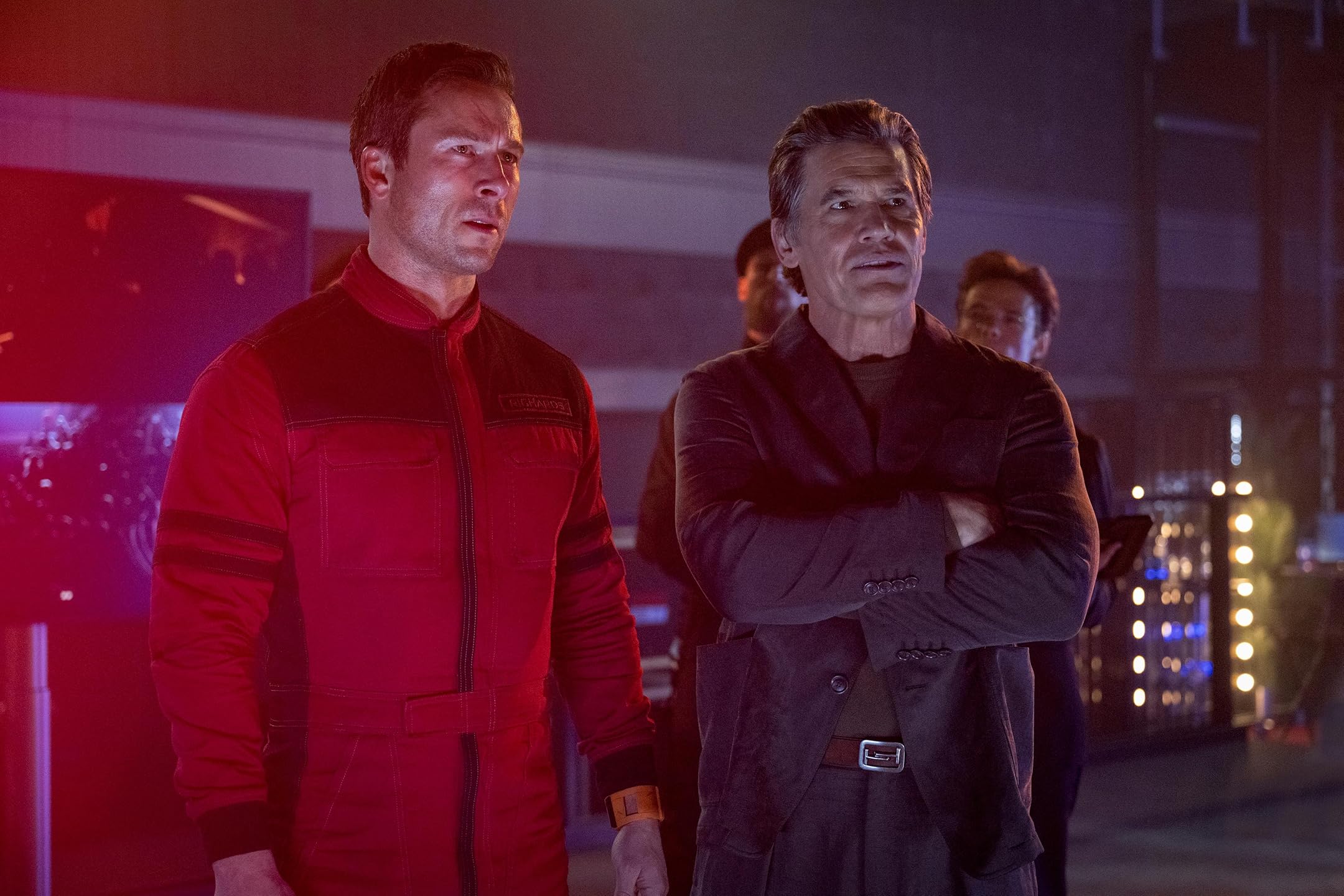
Teaming up with Glenn Powell feels like a natural fit. Powell has been on the rise for the past several years and has started to make a name for himself as a leading man and movie star. He can do the big action and he’s very funny. His charisma is off the charts and he’s magnetic on the big screen. The dude was the breakout star of Top Gun: Maverick, and the entire point of that movie was that Tom Cruise is the greatest movie star of all time. Putting him in a movie like The Running Man that requires him to do action while also being funny and a total delight to watch is a no brainer.
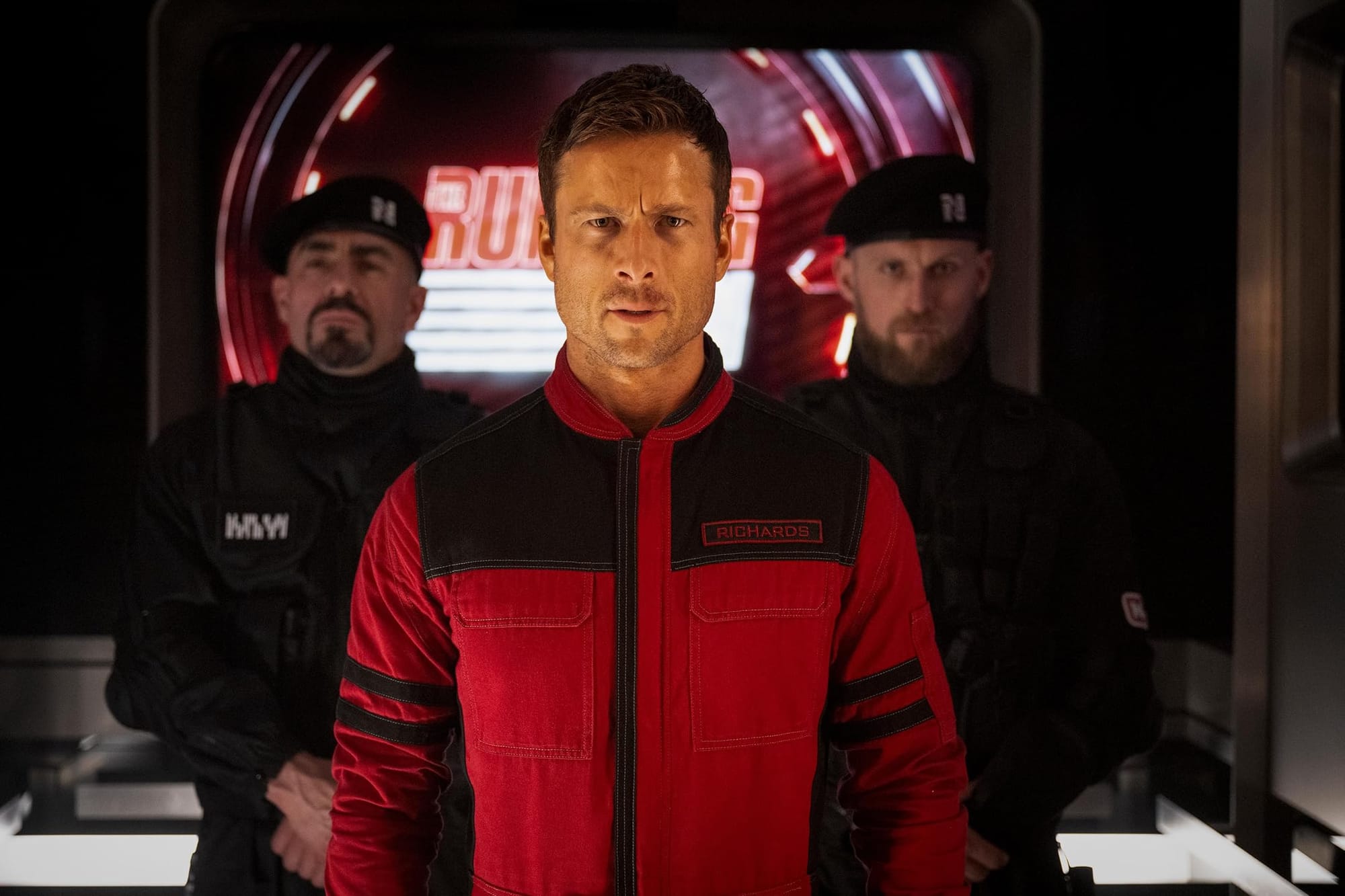
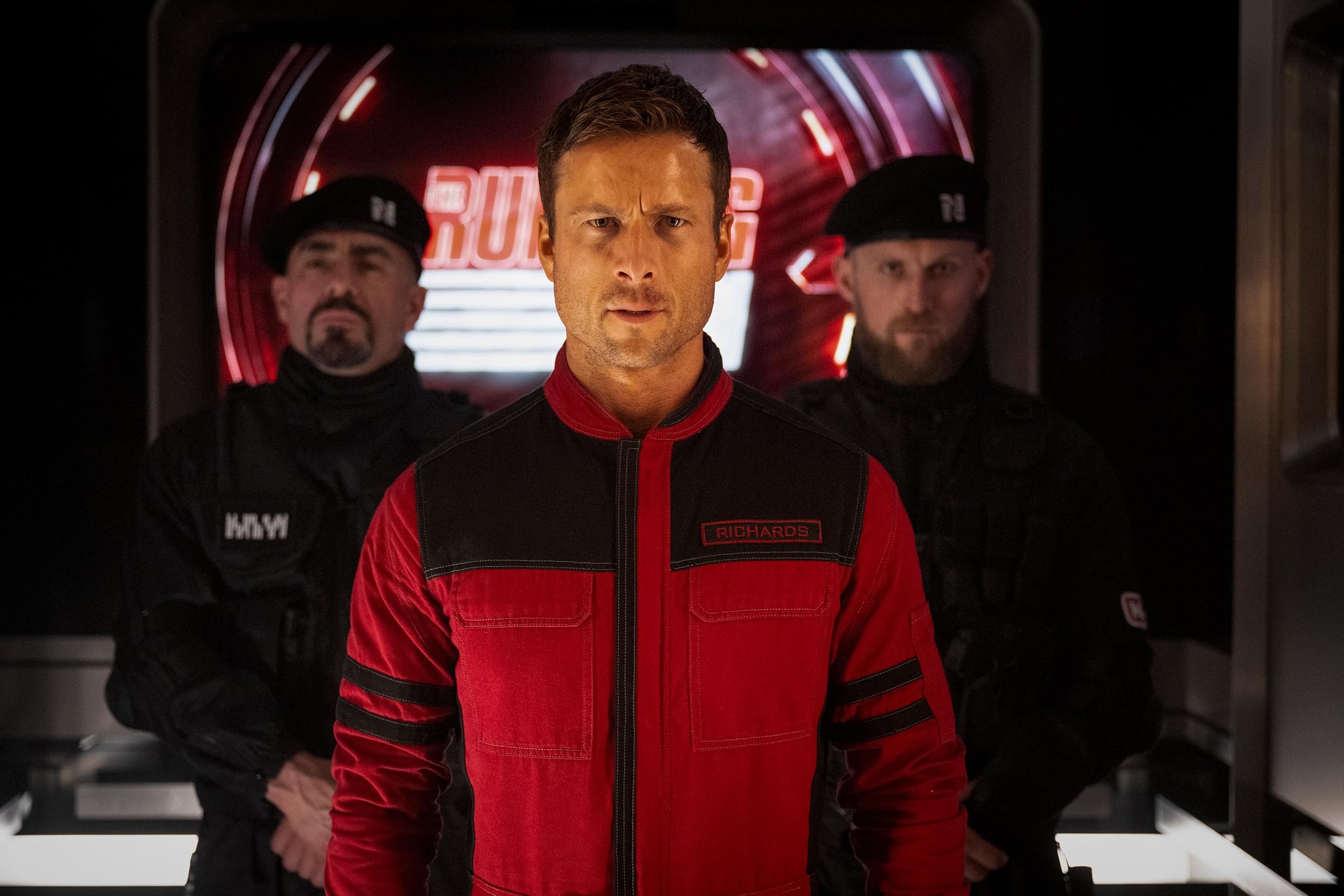
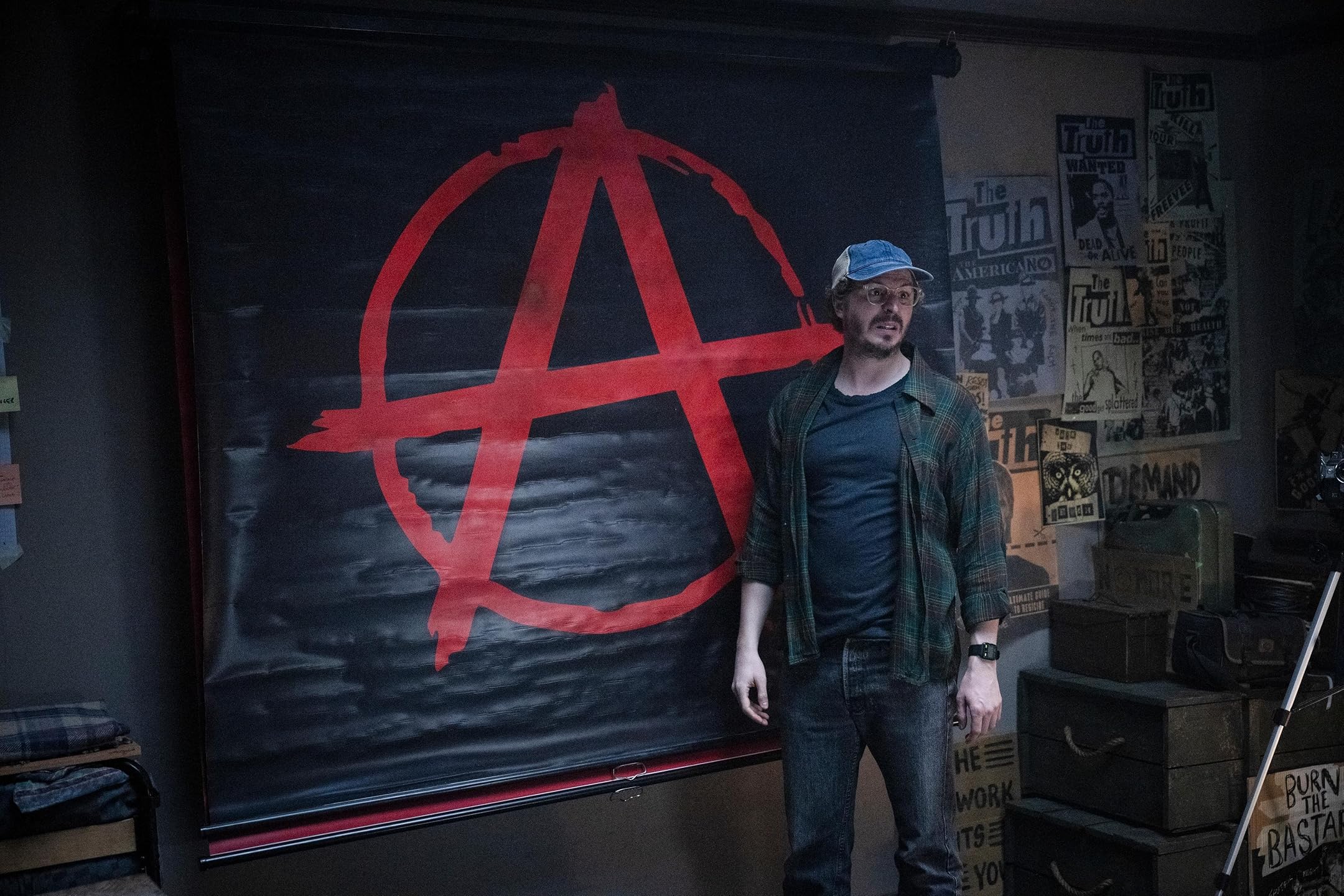
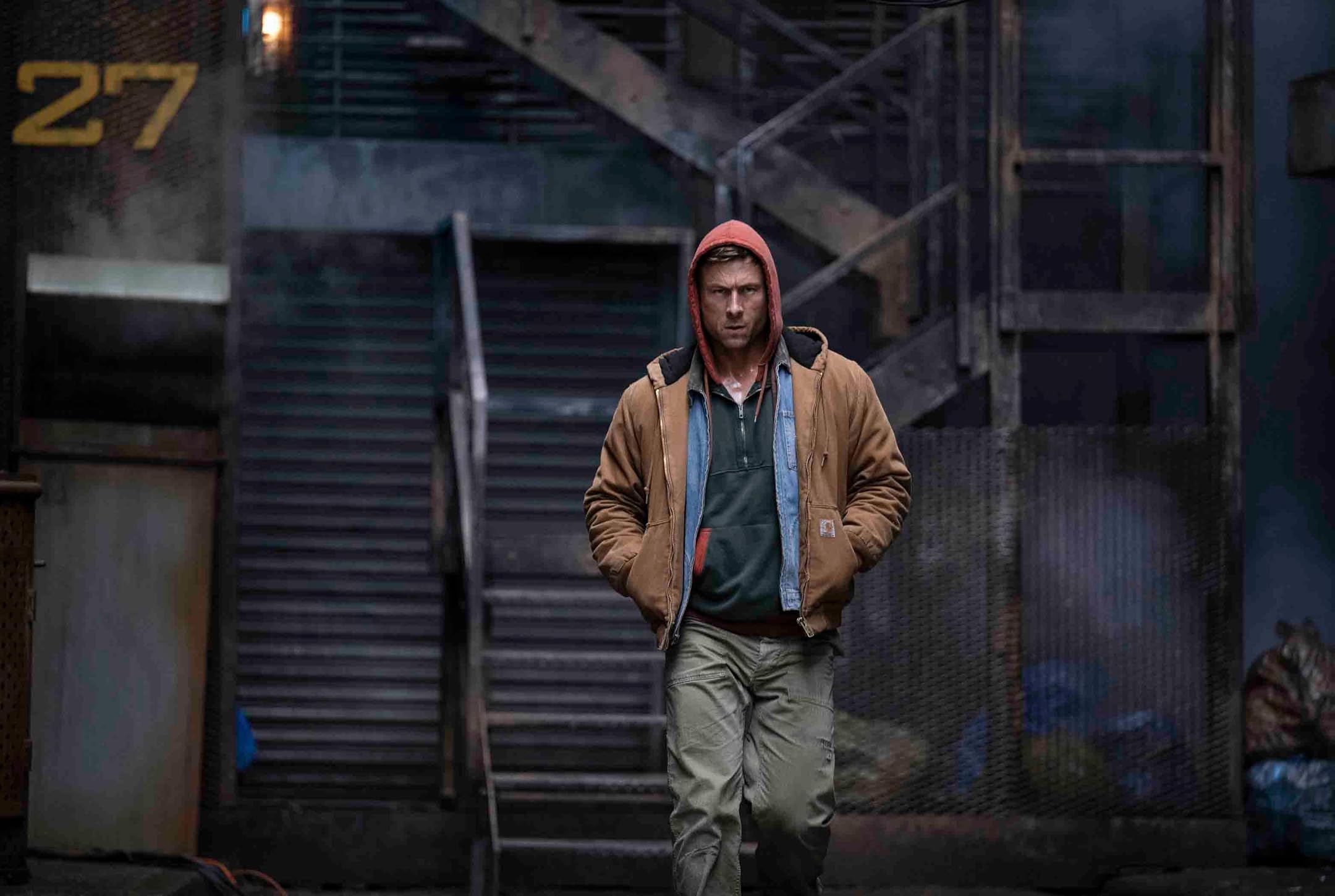
His character, Ben Richards, is someone whose anger and rage flares at inopportune times. This makes him a terrific candidate for the in-universe eponymous television reality series, where cads and lowlifes are exactly the sorta person who would make for great “FreeVee”. That said, there’s been critiques that Glen Powell’s smarmy affect makes it difficult to buy this rage machine as written by Edgar Wright and his co-writer Michael Bacall.
That’s not really the issue, though. Powell himself is plenty believable in the role. The problem is that Ben Richards is wildly inconsistent. Compare the character as written to Timothy Olyphant as Raylan Givens in Justified. There (just like here), his romantic love interest describes him as “the angriest man she’s ever known”. It recontextualizes Raylan. Watching the rest of the series, that low ire boil consistently plays within the performance. Powell doesn’t have the runway that Olyphant had, but he definitely brings it when he has to.
No. This is a writing issue.
Hitting emotional benchmarks
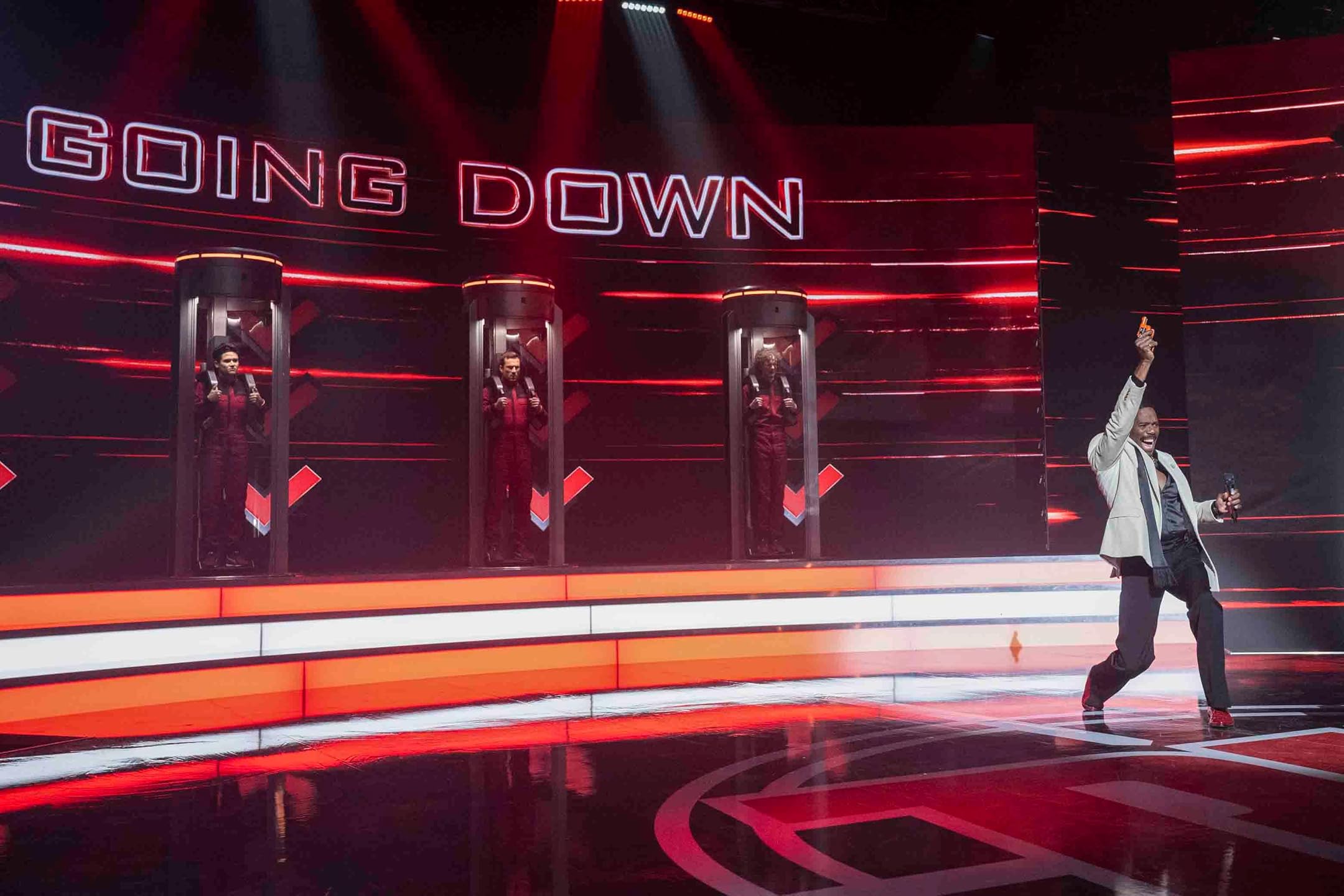
Wright and Bacall make sure that they dedicate a good amount of time at the outset to setup Richards and his situation. He can’t get a job. His wife is supporting them and has to work triple shifts at a den of ill repute. Their child is sick with the flu and can’t get medicine. The whole reason Richards goes on The Running Man at all is because he desperately tries to get rich quick by going on FreeVee and winds up cast in the deadliest game out there.
This is necessary, and the Wright/Bacall turn the screws where they can. There’s a recurring thread of him having left with one of his child’s precious socks, and returning that is a driving factor in needing to survive the death gauntlet and return home. All that Richards does, he does for family.
… But it’s almost like Edgar Wright has no idea how to engage with that notion at all. Powell sells the shit out of it, but the direction doesn’t aid him. It’s almost like human interaction is something that Wright himself only understands in the abstract. Like the rage, it’s something the film engages with this when necessary, and Richards returns to this singular metaphorical driving force whenever the plot needs him to.
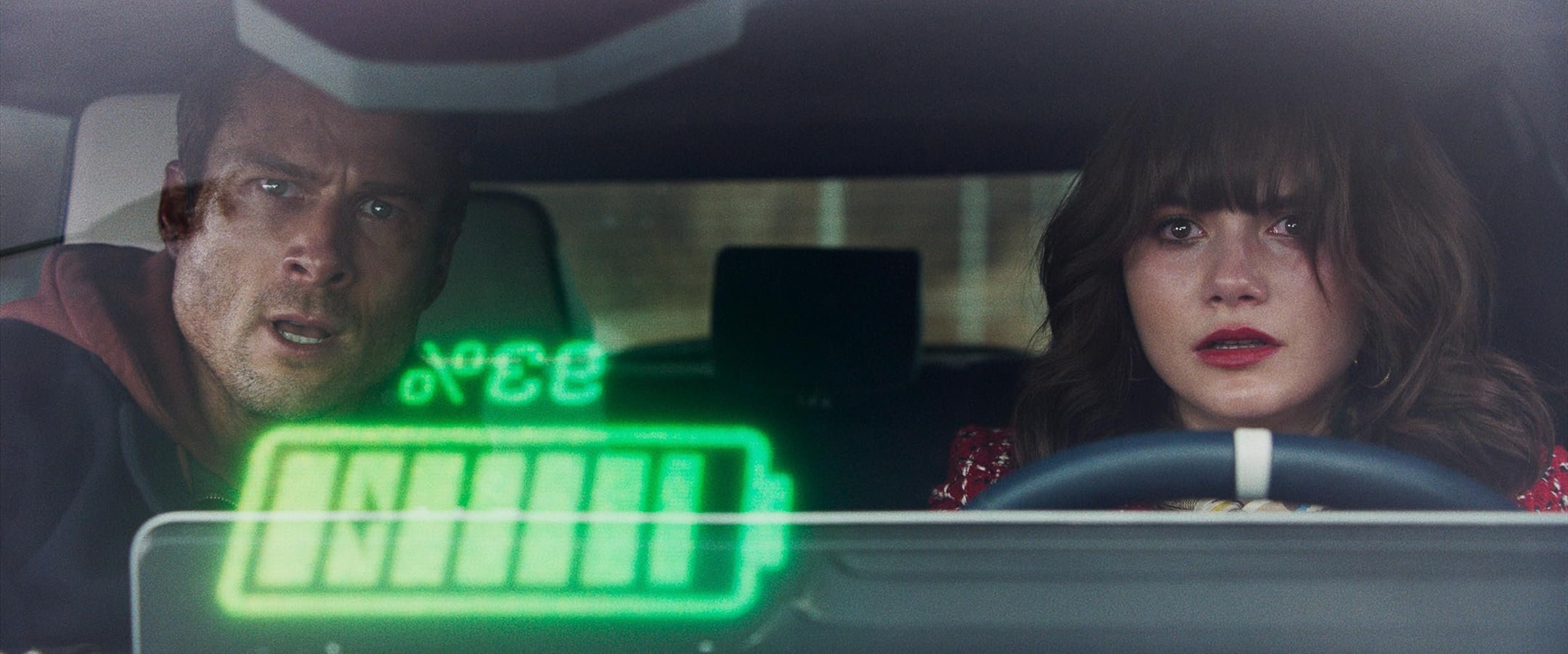
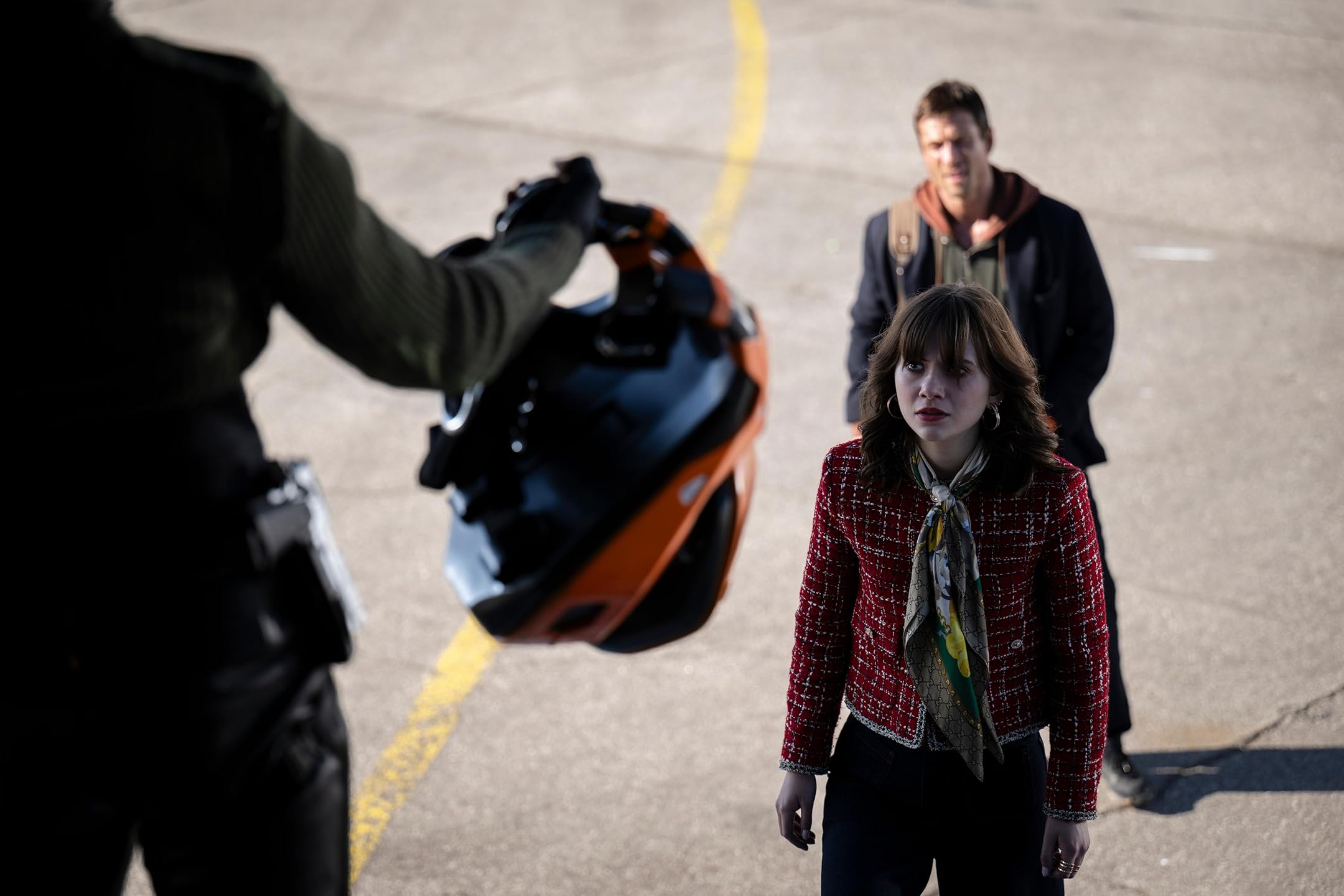
This lack of emotional realism is why the film falls apart so hard in the third act. It’s insane to introduce Emilia Jones as the movie is ramping up to its climax and then use her as a vehicle for Richards to rail against the corrupt system that has brought this hell upon him. And yet there she is getting a clumsy, eleventh hour emotional arc that synergizes with his anti-establishment rhetoric. The narrative leap she has to take in every scene line of dialogue is the sort that requires at the very least a scramble-stumble to catch the ledge. To Emilia Jones’s credit, she does the best she can with what they provide.
It’s not a complaint about Nolan
A few years ago it was extremely popular to blast Christopher Nolan with a specific critique. Most of it came in the wake of Inception, but the twists of The Prestige and the thinky-ness of Interstellar added to the evidence. It went something like this:
Nolan is a filmmaker who makes technically masterful films, but that is so much of his obsession that his films feel functionally emotionless. That puts a ceiling on Nolan’s film’s because they’re objects to solve rather than works of art to emotionally engage in.
While it might have felt true for a while, the narrative around this has changed. As Interstellar has grown in esteem over the past decade, Nolan’s sentimentality and deeply emotionally rich texts have invited a re-examination of his work.
Now, to be fair, it’s hard to say that Inception in particular (as the movie that definitively put Nolan on the map) completely nailed that one. Cobb’s big climactic confrontation with Moll is a moment Nolan is trying to nail, though he doesn’t quite get there despite DiCaprio’s best efforts. If he had, more people would appreciate Nolan’s recurring theme of losing one’s wife as the greatest devastation he could think of. By Interstellar, the Murph/Cooper relationship absolutely sings in a way that isn’t subtle. By Tenet, he’s figured out how to fold it in so elegantly that most audiences don’t appreciate that one of the major emotional journeys of that movie is about a woman doing everything she can to free herself from an abusive relationship/marriage.
Does Wright have an equivalent?
Wright’s most clean arc is The World’s End, a film that explicitly centers its journey around Gary King (Simon Pegg) and his struggles with alcoholism, sociopathy, and being a general douchebag to the people he loves.
And yet by the time the film reaches the climax, where Gary is running for the eponymous pub and then has a fist fight against Andy before he can chug down that last beer, there’s something that reads perfunctory about the action, like Wright is more interested in the technical details of how the fight works than the character dynamics upon which he has built this final scuffle. It’s a lot of sugar without meaty-and-potatoes pathos. Like this fight, the film’s plot is far more interesting than the actual emotional arc of the characters.
Which… shouldn’t be surprising considering that The World’s End itself is just a giant recursive fractal that Pegg & Wright plotted to within an inch of their lives. When the film came out, I saw it as a triple feature of the entire trilogy. At the Q&A afterwards, Simon Pegg spelled out very clearly the structure of how the pub crawl perfectly mirrored everything that was happening in the story just like the opening retelling of that first pub crawl presaged the entire plot of the film.
This isn’t unique. It’s a hallmark of the Cornetto Trilogy. Shaun of the Dead does something extremely similar.
So… yeah. They care about that.
New tricks growing older
The Cornetto Trilogy (and Scott Pilgrim, really) allowed Edgar Wright the ability to build a reputation as an exacting director who deployed his comedy via the language of cinema. He does match cuts and in-camera tricks. The bit where the two investigators leave frame and then duck back into frame to intimidate Nicholas Angel in Hot Fuzz is absolutely hysterical. The scene where Matt Smith dances with the alternating Thomasin McKenzie and Anya Taylor-Joy is the best part of Last Night in Soho. In Shaun of the Dead he choreographs the pool-cue-whacking of the Winchester’s pub owner to Queen’s “Don’t Stop Me Now”, complete with David flicking the pub’s exterior lights in time to the music. Baby Driver has an opening credit sequence where a single unbroken take follows Baby as he dances through the streets to Bob & Earl’s “Harlem Shuffle”. His films contain sequences that are feats of concept and editing. His camera captures the film’s diegetics in ways that reflect the non-diegetic experience. It’s all very “well that’s extremely clever”.
This is why Baby Driver is Wright’s most underrated movie2. It plays to all of Wright’s strengths while minimizing his weaknesses. When Baby starts to flirt with Debora, it’s through their shared passion for music. Wright’s car chases are mind blowingly good. And the way he syncs the entire movie to the soundtrack in Baby’s head required a TON of work and precision. The editor was literally on set rough-cutting the film basically in real-time to make sure the elements lined up. The result is a truly stunning final product.
But now Wright’s tricks just feel… less special. The Running Man’s standout signature Edgar Wright moment comes with the big reveal of Ben Richards’s first disguise, where he stands in front of one of the big advertisements bearing his outlaw mugshot. Richards looks to the right and the left as the advertisement displays his mugshot in various profiles. Because Wright’s cinematic dialect is so static and unique, the second the shot’s composition happens it’s clear what Wright is going to do. As an audience member, getting ahead of someone whose strength is innovation and cleverness is the worst thing that could happen. Before Richards had even turned his head, I knew what woul dhappen and was waiting for the shot to be over so we might get something new.
There are times it works. When he attempts to escape from the siege of the VA building, Richards sees himself on camera. Wright then follows him via a diegetic camera POV as he races down the building hallway. A hunter shoots at him. He dodges bullets. He slides into the broken half-open elevator. It’s utterly kinetic, like the sort of shot only Edgar Wright would come up with. There’s a reason it’s in the trailer.
Hell, even the final setpiece where Richards has to take out all the Hunters on the plane feels like the sort of exciting zero-G fight sequence that would come from an incredible action director like Wright.
But the action feels choppy in places. It’s unusual for a guy who builds his movies on crisp, clear visuals and whip-smart editing. Even the home invasion where a bannister flings an entire swat team off a stairwell felt all too brief. Despite moments of brilliance, the lack of innovation and the lackluster clarity felt disappointing.
The dangers of vapid pathos
Even if the action was up to Wright’s usual standard, none of it matters without emotion. Scott Pilgrim has terrific fight sequences, the best of Wright’s career to date. On the commentary, he talks about the Ramona vs Roxy fight as the sort of thing he could watch for hours upon hours. Mae Whitman’s acrobatics via sword-whip play marvelously. But even in the moment the film has been moving so hard and so fast that it’s difficult to dig into the emotional dynamics at play. The Roxy reveal is a huge moment that continues to recontextualize the complexity at play within Ramona. The film doesn’t stop to let it matter. Wright just wants the ribbon dance.
This builds on problems later. Where the first third of that film covers the first book (Ramona and Scott falling in love) with careful precision, the final third is a whirlwind of action and chaos and incident that makes it difficult to track all the various arcs at play. Wright does a solid job with it, but it does feel like as his movies lose steam as they go on. This is a problem with Hot Fuzz especially, which feels like it’s a full half hour longer than it actually is.
Much of that is because Wright’s films can be so dense with jokes and plot. But a significant amount of it is because of how he builds the emotional basis of his films on houses of sand. In not fully investing in the emotional verisimilitude of the characters, it makes it hard to engage when the payoffs come at the end. At its worst, it’s why Last Night In Soho flames out so hard in the last half hour.
For The Running Man it’s Wright trying to split the difference of what the point of the story is. If Wright were actually consciously building the film on emotional resonance, why on earth would he present the final family reunion the way that he does? Part of it is to maximize the plot-fakeout of the missile-destroying-the-plane season finale, where there’s a question of whether or not Richards survives his whole ordeal. Wright lays out the conspiracy theory and then shows Richards’s wife and child in a grocery store and then reveals a masked Richards out on the street as the one who paid for her groceries. The reunion happens.
Only… it doesn’t, does it? We don’t get the catharsis of Richards rejoining his family because Wright keeps him masked or out of frame as they approach.
He saves the reveal of Richards’s return for the final beat, when the angry viewers of the eponymous game show instigate a riot that finally overthrows evil FreeVee executive Dan Killian. It’s here that Wright gives Richards the big resurrection: a hero framing of him executing the man who caused all this misery on live national FreeVee. He counts down til they’re back from commercial. He pulls the trigger.
But Wright doesn’t show Richards giving the sock back to his kid? Or giving a new pair of socks? He doesn’t get the big embrace with his wife? None of this even requires words. It just needs to be anything.
No. What Wright gloms onto is the larger thematics of this dystopian world. The way that Richards has become some underdog freedom fighter who will inspire the lite-Marxist overthrow of this unjust entertainment system. If this were the story, it would make the final act work, where Richards takes Amelia Williams3 hostage and drags her through his big raging climax against the machine. Based on the plot before this, where he’s met all sorts of people who want the system to fall, the freedom fighter framework makes sense and is there. But it feels like it comes out of absolutely nowhere.
The film can do both things. The “family man trying to provide” can be the thesis while “angry narcissist putting his existence on the line for mass entertainment” can be the antithesis so that “freedom fighter who provides for his family by toppling the unjust system” can be a grand synthesis. But if that’s what this movie is doing, everything with Amelia wouldn’t have played so weirdly. Ben being this noble hero (trying to save the man in the audition line) while being so textually angry could work. Anger at the system could fuel his compulsion to save people. But these aspects of his character are discordant rather than harmonious, like the film is clearly at odds with itself.
And like… if Wright wanted to make a movie about a guy who reluctantly goes on The Running Man and winds up changing the world because he’s just so excellent? Fine. That’s a movie. But layering the family on top of that feels like forced emotional pathos that the movie never has any interest in paying off. It’s vapid in the extreme.
It’s not all bad! There is a solution!
To bring it back to Chris Nolan, there is a (correct) critique of Nolan that he only makes movies about lots of men in suits. If there are female characters, they feel underdeveloped and perfunctory. To Chris Nolan’s defense, these are just the stories he’s interested in telling. He clearly wants his films to center around dudes in fine-tailored suits much like how Aaron Sorkin defaults to writing stories about great men who change the world. Sometimes we get something special (like with Murph & Brand in Interstellar or Molly in Molly’s Game), but I would argue it’s better for artists to stick to their bliss and make something terrific that fits within their interests than try to let the demands of others/society dictate what stories they should or should not tell.
For Edgar Wright, I wish that he would throw out everything he’s learned and just make the movie that he wants to make. The Running Man’s lip service of “here’s this emotional story so you’ll care” feels inauthentic, or at the very least like something he’s clumsily stumbling through without any real conviction or confidence. He’s such a technically marvelous filmmaker that it feels a waste to try to be like… “hey. Convey this thing you don’t understand.”
This is also why it’s been so hard for his films to break out to wider audiences. Audiences respond to emotional stories and journeys that they want to take over and over again. Wright has his niche, but appeals to navel-gazing cinephiles, not a larger general populace. Some of his movies can break out and reach a corner of the masses, but finding the average civilian who would throw down for Last Night In Soho or Scott Pilgrim or even The World’s End is going to be nigh impossible. For a dude who feels like he’s making populist (if niche) cinema, it’s crazy that Baby Driver is his biggest success and everything else that’s hit has been big only relative to its size.
But that is okay. On the downside, it means that Wright will have trouble working at the budgets he wants because his films aren’t going to be raging successes. On the upside, it means he should feel more free to make the movies he wants and not apologize for them. If he figured out how to be M. Night Shyamalan4, that wouldn’t be a bad thing.
It would be a relief to see him feel freer to be himself and to appeal to his true blisses. He’s built a rep enough that he’ll always get the cast and he’ll always have his voice, but chasing acceptance where it will never come is a waste of his genius-level talents. He should instead unapologetically produce films for himself. His dedicated fanbase will follow and celebrate him as one of the great cult filmmakers of our time.
I know I certainly will.
Relatively speaking of course. Kevin Spacey has always been a bad choice but at the time of its release he was less of a public walking disaster. The same is true for Ansel Elgort. ↩
Though, again, it’s a tough watch now because the cast really hasn’t aged well. ↩
Probably a coincidence but… feels like a Doctor Who reference. ↩
Complimentary. ↩