A Very Personal List of Top 250 Films - Part 2: #200-151
Featuring a couple Wachowskis, a couple Paul Thomas Andersons, and a couple of mashups
Welcome back! I hope you’re having an excellent post-holiday span of time.
Continuing the countdown of Top 250 movies, this is the result of a ranking engine and over 440 considerations. There’s a lot of movies that I thought would be on this list but that aren’t. Some of them are surprises, some of them belong here, some of them dropped really far from the last time I ran a list like this… but all of them are movies that I love and heartily recommend.
So let’s get cracking into the top 200…
200. Ed Wood (1994)
Directed by: Tim Burton
Written by: Scott Alexander, Larry Karaszewski, Rudolph Grey (original novel)
Previous Ranking: N/A
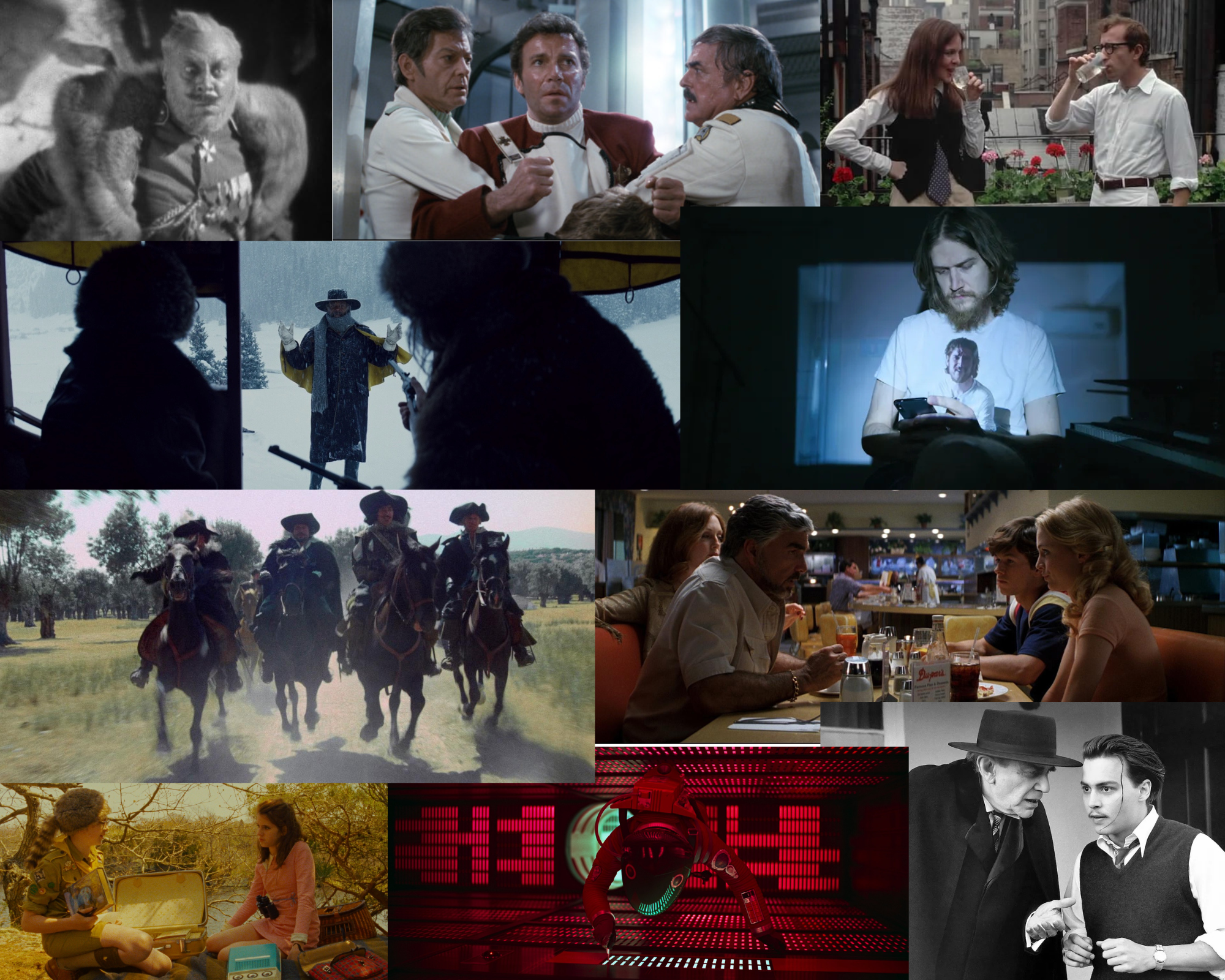
Tim Burton built his career on societies oddballs and social outcasts, humanizing them to a mainstream audience who didn’t know they needed it. Ed Wood is an apotheosis of this particular thematic strain. This biopic about the titular, legendarily bad filmmaker never looks down on him or his work. If anything, it views him as a dedicated artist with avant garde taste and limited capacity. But he cares, and that is enough. One person, though, isn’t enough. Burton finds the humanity in the community he built of those around him. There’s a sense that though the general public will never accept this eclectic cast of characters en masse, the overriding sense of this family unit is that the strength of everyone having each other is enough. It’s Tim Burton’s masterpiece.
199. The Hateful Eight (2015)
Directed by: Quentin Tarantino
Written by: Quentin Tarantino
Previous Ranking: N/A
Is it still popular to shit on this movie? Quentin Tarantino’s long-awaited western is hardly the sweeping vistas of John Ford or the genre’s golden era of square jaws burly men. Hell, it’s not even the electric energy of Sergio Leone. Instead, Tarantino plays to his strengths, making a film on his own terms. Of course, that makes this essentially a three hour play (complete with an act break/intermission) full of odd, enigmatic characters and a sense of imminent peril. There are times where he falls back into sensationalist bad habits. The story Warren (Samuel L. Jackson) tells to goad General Smithers (Bruce Dern) into the violence just before intermission is Tarantino’s signature salaciousness feeling out of place. It’s the ear-cutting in Reservoir Dogs or the rape scene in Pulp Fiction, only decades after the man should have grown out of shock value. Yes it makes sense in the context of the narrative (Warren is going for maximalism to drive Smithers into action), but that doesn’t mean it automatically works. Still, it’s an excellent film deserving of higher esteem. Great performances, great characters, great dialogue… and some truly insane violence. What else could you want from a Tarantino movie?
198. 2001: A Space Odyssey (1968)
Directed by: Stanley Kubrick
Written by: Stanley Kubrick, Arthur C. Clarke
Previous Ranking: N/A
Not my favorite Kubrick, but it’s the pinnacle of science fiction filmmaking. Because he makes iconic films, it’s not unusual for Kubrick’s movies to live in clip show form during specials that talk about his work. It plays the same scenes over and over, meaning there are certain moments I know intimately, but when the film goes away from those quick beats and into the actual meat of the film, it feels like watching something truly alien. That’s especially true for 2001: A Space Odyssey. Everyone knows the apes and the bit where Dave confronts HAL and maybe even the psychedelic bit where Dave heads to the mission’s final location, but there are so many other moments in between. The slow flight to Jupiter as the astronauts eat their strange space food and watch space TV, or the slow descent the scientists make as they march into the lunar dig site where the discovered monolith waits. Seeing this in a theater was a tremendous experience, the kind every cinephile should experience at least once. Just don’t mind the film bros who will undoubtedly be there, milling around the lobby afterwards in pairs, excitedly explaining to each other a plot they already agree upon.
197. Bo Burnham: Inside (2021)
Directed by: Bo Burnham
Written by: Bo Burnham
Previous Ranking: N/A
This probably counts as a comedy special or a series of shorts that add up to a large collage, but Bo Burnhamn spent his year in the pandemic making one of the best portrayals of not just life during the 2020 COVID quarantine, but also about living amongst the weird culture of online spaces. The soundtrack has been in my head for years and there’s hardly a moment in it that isn’t terrific. As we continue to memory hole one of the worst years in living memory, maybe it won’t stand the test of time. On the other hand, there’s almost never been art that has so perfectly captured its contemporary zeitgeist. Burnham is a voice of his generation, and since the release of this (and the “Outakes” in 2022), he’s spent his time directing comedy specials rather than producing his own original work. Whatever his next piece is, I’ll be there on day one.
196. Star Trek II: The Wrath of Khan (1982)
Directed by: Nicholas Meyer
Written by: Jack B. Sowards (Story/Screenplay), Harve Bennett (Story), Gene Roddenberry (original Star Trek), Nicholas Meyer (uncredited)
Previous Ranking: #87
The best Star Trek movie is simple enough: a villain from the show’s past comes back for revenge. What makes it timeless, though, are its themes of growing older and finding rebirth late in life . It might seem slow to modern eyes and lack big spectacular set pieces, but the moments it explodes into action are truly thrilling and worth the slow build to get there. Trek and its style of spaceships can’t compete with the dogfights of Star Wars, so director Nicholas Meyer develops an entire new language of trashing these big hulking models. All of that, and the ending will always be a heart-wrenchingly emotional finale. Aas soon as Spock asks if the ship is out of danger, any haunting silence during a screening will give way to the stifled sobs of many grown men. Incredible stuff.
195. The Last Command (1928)
Directed by: Josef von Sternberg
Written by: John F. Goodrich, Herman J. Mankiewicz (titles), Lajos Biró (Story), Josef von Sternberg (Story)
Previous Ranking: N/A
Being a silent film from the 1920s, The Last Command requires a bit more attention and patience than normal, but this story of a washed up ex-tsarist Russian military commander trying to make means to an end as an actor in Hollywood is absolutely astonishing. Admittedly, part of that is knowing the Russian Revolution, the collapse of the tsarist regime, and the ascension of the Bolsheviks. That knowledge base makes for an absolutely staggering final reel, in which decade-old dynamics pay off in a display of national pride and indescribable empathy. Still blown away at how good this is.
194. Moonrise Kingdom (2012)
Directed by: Wes Anderson
Written by: Wes Anderson, Roman Coppola
Previous Ranking: N/A
Wes Anderson’s celebration of childhood is a seriously underrated piece of his canon. Grand Budapest is a better film, but there’s an infectious joy and freedom to this that feels rare for one of his films. Even now, imagining Alexandre Desplat’s score is enough to transport anyone to that lone island on the eve of a hurricane.
193. Boogie Nights (1997)
Directed by: Paul Thomas Anderson
Written by: Paul Thomas Anderson
Previous Ranking: N/A
PTA’s love letter to the San Fernando Valley comes via the porn industry of the late 1970s. It’s an incredible calling card for one of the great filmmakers of his generation, and the performances are all stunning. Only a script this good could attract this caliber of talent despite such a X-rated subject matter. Crazy that this is just one of PTA’s many masterpieces and that something this good out of his second at-bat.
192. Annie Hall (1977)
Directed by: Woody Allen
Written by: Woody Allen, Marshall Brickman
Previous Ranking: N/A
To start things off, scandal absolutely noted on Woody Allen. He’s a creep and a weirdo and every detail about his personal life paint a very disturbing picture of a deeply troubled man. Knowing his films only reinforces that brokenness under the hood and it makes it really hard to appreciate almost all of his movies (some of which are really quite good). And yet, there is a quality to Annie Hall that I find simply irresistible. Maybe it’s Allen playing Alvy Singer as a total schmuck who Pygmalions the title character so hard he can’t stand her self actualizing into an real person, which feels totally on Brand for him. Or maybe it’s the incredible comedy throughout, the comedian at the height of his considerable powers. There’s a large part of it that’s also the impressionistic structure, where the movie plays out as though Alvy is remembering all the highs and lows of his relationship as he reflects on it. All of these make it an incredible film (in a vacuum). But really, the biggest reason to celebrate Annie Hall is because of the late, great Diane Keaton, giving an absolutely astonishing performance as the titular character. Amy Nicholson put it best on Unspooled when she refused to let Woody Allen’s toxic reputation steal something as special as Diane Keaton’s most iconic role. None of this excuses anything about the acclaimed writer/director and the horrible things his victims have accused him of, but if a film can transcend its main author, it should do so. Acknowledging shortcomings should (within reason) enable the celebration of one of the great films of all time. Maybe one day I’ll be able to watch it again. Until then (and probably still after) fuck Woody Allen for being a broken man capable of making something this good.
191. The Three Musketeers (1973)/The Four Musketeers (1974)
Directed by: Richard Lester
Written by: George MacDonald Fraser, Alexandre Dumas (original novel)
Previous Ranking: N/A
Before this, the only context I had for Richard Lester was as the guy who did those campy slapstick Beatles movies and all the bad silly bits of Superman II. But between those, Lester made an incredible adventure movie that was so big the producers split it in half (and then the cast sued them for receiving one film’s pay for two films’ work. This adaptation of Alexandre Dumas’s iconic novel is basically perfect. It’s funny, yes, but the action and adventure is basically perfect, with set pieces so good the Pirates movies lifted them almost wholesale. And the Count de Rochefort? There’s not a movie that’s more delightfully swashbuckly and filmmakers should make more movies like this. They’d make a killing.
190. Secrets & Lies (1996)
Directed by: Mike Leigh
Written by: Mike Leigh
Previous Ranking: N/A
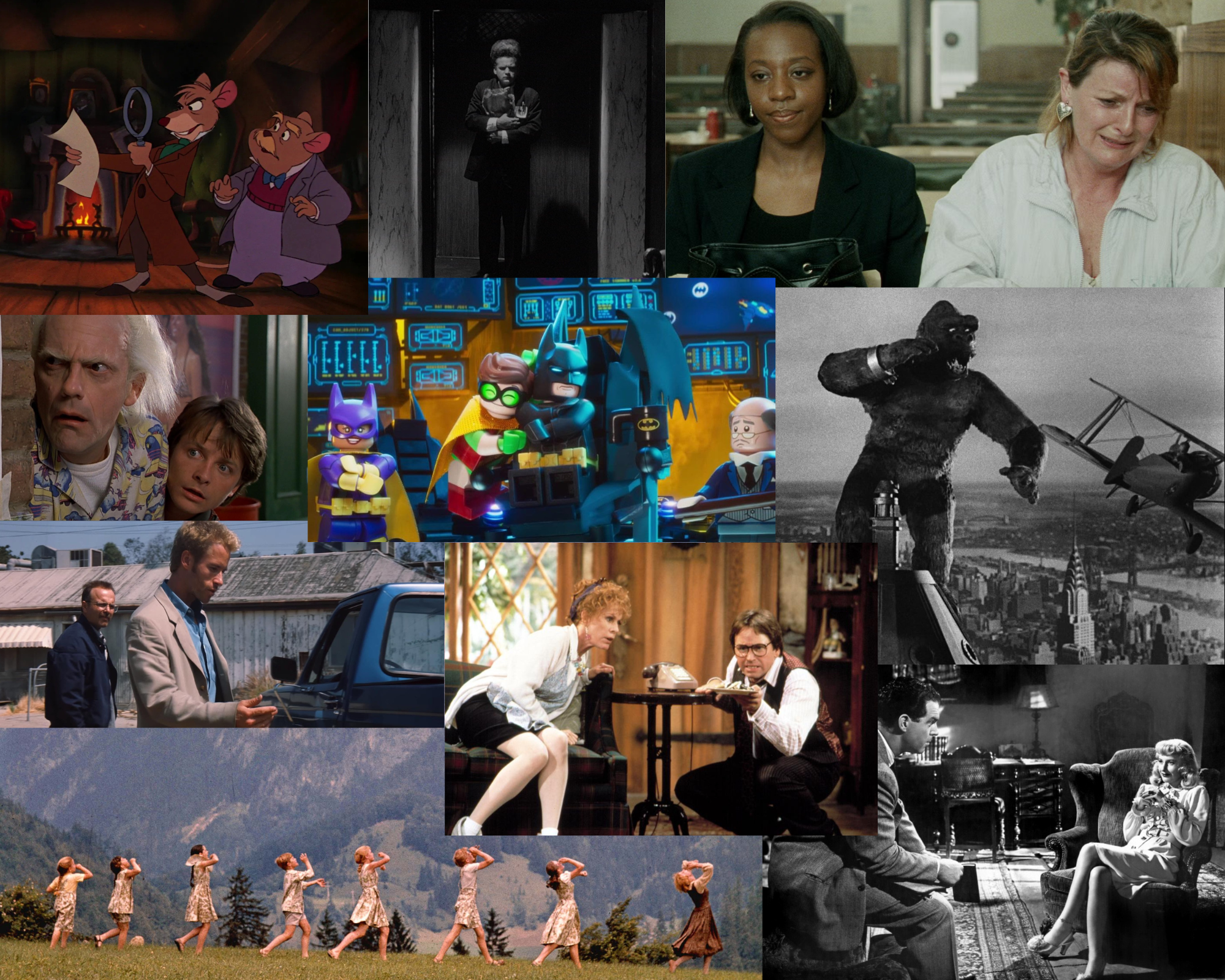
My Mike Leigh knowledge begins and ends with this film, but what an incredible experience. These characters of his, the performances he pulls out of these actors… the sheer uncomfortableness with every aspect of this complex family dynamic. He leaves his audience to witness these characters for all their faults and never judge them for it (no matter how much they judge themselves). The scene where Brenda Blethyn and Marianne Jean-Baptiste finally connect in the coffee shop is one of the most intense and powerful scenes I’ve ever seen. Can’t wait to get to another Mike Leigh on my Criterion Challenge this year, because this is an amazing film.
189. Eraserhead (1977)
Directed by: David Lynch
Written by: David Lynch
Previous Ranking: N/A
It’s offputting for sure, and there’s basically no way to prepare yourself for David Lynch transcribing his strange mind to celluloid… but the legendary filmmaker’s feature debut is a deeply weird meditation on the anxieties of fatherhood and masculinity. It’s not nearly so oblique as it might seem, and there are times where it comes off as a thesis film (albeit the best thesis film ever), but it’s an incredible first effort from one of the all-time great directors.
188. Double Indemnity (1944)
Directed by: Billy Wilder
Written by: Billy Wilder, Raymond Chandler, James M. Cain (original novel)
Previous Ranking: N/A
A quintessential noir. Billy Wilder didn’t always hit, but when his best movies are this good, no one remembers the bad ones. The plot here involves an insurance salesman (Fred MacMurray) who helps a wife (Barbara Stanwyck) in taking out and cashing a life insurance policy on her husband (and, obviously murdering him in the process). Great movies are not always about being flashy or mind-blowing or new. Sometimes it’s just a great premise with an stellar execution.
187. Memento (2001)
Directed by: Christopher Nolan
Written by: Christopher Nolan, Jonathan Nolan (original short story)
Previous Ranking: N/A
It’s not nearly as bendy as its central gimmick might seem. In fact, it’s remarkably straight forward. That said, it is a movie that I lost a fortnight to, where I watched it in college and then the next thing I remember is two weeks later, coming home from work, and emerging from a fugue state that worked to parse out the myriad intricacies of what I’d witnessed. The film’s aforementioned gimmick, where the plot moves in reverse to mimic Leonard’s (Guy Pearce) antereograde memory loss is a great way to have the end of the movie be the center of the linear narrative, finding a potency in what simultaneously feels like a beginning, middle, and end. Like all Nolan movies, though, this is far more than just some intellectual exercise. At its core, Memento is about a man driven absolutely insane by the loss of his wife. Nolan never answers the question of whether or not Leonard will find peace, but he leaves his audience with more than enough to chew on so they can make the determination for themselves. It just might take a couple of weeks to figure it out.
186. Back to the Future Part II (1989)
Directed by: Robert Zemeckis
Written by: Bob Gale (Story/Screenplay), Robert Zemeckis (Story)
Previous Ranking: N/A
It might be a bit of a mess, with time travel paradoxes and alternate realities and a plot that doesn’t super hold together, but a movie of Doc and Marty trying to fix a big baroque time travel conundrum is what I want from a sequel to Back to the Future. Sure, it’s not the pure, personal small-scale of the first installment, but it’s just so… fun. If anything, it’s a premature victory lap given that a whole third film follows this, but… again… who cares? It’s an infectious, easy-to-love movie, and the cliffhanger is an absolute screamer.
185. Noises Off (1992)
Directed by: Peter Bogdanovich
Written by: Marty Kaplan (Screenplay), Michael Frayn (original play)
Previous Ranking: #89
Michael Frayn’s whimsical farce about a play production that goes progressively off the rails is an under appreciated gem. Wisely, the film (like the play) runs through the show-within-a-show three times, laying out the first dress rehearsal methodically to make sure the audience understands what’s happening beat by beat. It pays off when the second performance shifts to focus on the mayhem backstage. But what makes the movie so great is the cast director Peter Bogdanovich assembled: Michael Caine, Carol Burnett, John Ritter, Marilu Henner, Nicolette Sheridan, Christopher Reeve, Julie Haggerty, Denholm Elliot, Mark-Linn Baker. Naming the weakest in that list? Impossible.
184. The Great Mouse Detective (1986)
Directed by: John Musker, Ron Clements, Dave Michener, Bunny Mattinson
Written by: Pete Young (Story), Vance Gerry (Story), Steve Hulett (Story), Ron Clements (Story), John Musker (Story), Bruce M. Morris (Story), Matthew O’Callaghan (Story), Bunny Mattinson (Story), Dave Michener (Story), Melvin Shaw (Story), Paul Galdone (original novel)
Previous Ranking: N/A
Mouse Sherlock Holmes. Great premise, even more fun in execution. There’s a world where this comes out a few years later and has better songs as a fully proper musical. That’s also a world where Disney probably neuters what makes this great. They’d make Ratigan less intense, Fidget less terrifying, and the bar scene less horny. Those more adulty aspects are part of its mid-80s charm, and the movie does all of those things while still being child friendly. Its lasting reputation is as bridge from the gnarlier tones of the Disney Dark Ages to the brightness of the Disney Renaissance. In the story of Disney’s animation department, it feels like here, finally, they’re getting things back on track.
183. The Sound of Music (1962)
Directed by: Robert Wise
Written by: Ernest Lehman (Screenplay), Richard Rogers (original musical), Oscar Hammerstein II (original musical), Howard Lindsay (original musical), Russel Crouse (original musical), Maria von Trapp (original memoir; uncredited)
Previous Ranking: N/A
Deservedly one of the most popular musicals of all time. I had a discussion with someone recently about how much the Nazis of it allgives her the skeevies. But it helps to recognize that the Nazis are not really a presence until they are, only really encroaching on the film in the last half hour or so. When they do show up Rogers & Hammerstein make songs about standing up and singing in defiance of fascism. As a final statement in their legendary partnership, it’s beautiful (if pointed), and the road to get there is a lovely little love story.
182. The Lego Batman Movie (2017)
Directed by: Chris McKay
Written by: Seth Grahame-Smith (Story/Screenplay), Chris McKenna (Screenplay), Erik Sommers (Screenplay), Jared Stern (Screenplay), John Whittington (Screenplay)
Previous Ranking: N/A
There’s an argument that this is the best Batman movie of all time. Hard to make the case against that, primarily because this is the only Batman film (besides Batman & Robin) to attempt the full “Bat-Family” dynamic. It’s wickedly funny and tremendously clever, with the deepest Batman villain cuts imaginable (Orca! March Harriet! Condiment King!). There’s basically nothing bad about it, and that includes the insane plot that involves other various Warner Bros. properties porting over in Lego form to be a part of theJoker’s evil final plot. A Batman movie with Sauron, King Kong, and Daleks? Jesus Christ.
181. King Kong (1933)
Directed by: Merian C. Cooper, Ernest B. Schoedsack
Written by: Edgar Wallace (Story/Screenplay), Merian C. Cooper (Story/Screenplay), Ruth Rose (Screenplay)
Previous Ranking: N/A
Don’t let the silly image of big ape on the Empire State Building or the empathetic mo-cap of Peter Jackson’s 2005 remake fool you. King Kong is legitimately scary. And not just it’s scary for 1933. It’s scary for today. Some of that is the effects of the time, where the rudimentary stop motion gives the fur a matted, janky quality as it shifts unnaturally from frame-to-frame. Really, though, it’s a movie designed to terrorize its audience. The only thing I’d fix about it is the missing scene with the giant insects, spiders, etc., which was considered way too much even for the Pre-Code era. Jackson tried to capture it when it came time for his version, but to think that it’s scarier than even what’s in my mind makes it a major casualty of film censorship. If I could go back and rescue one piece of footage from film history and bring it back to today, it might be that.
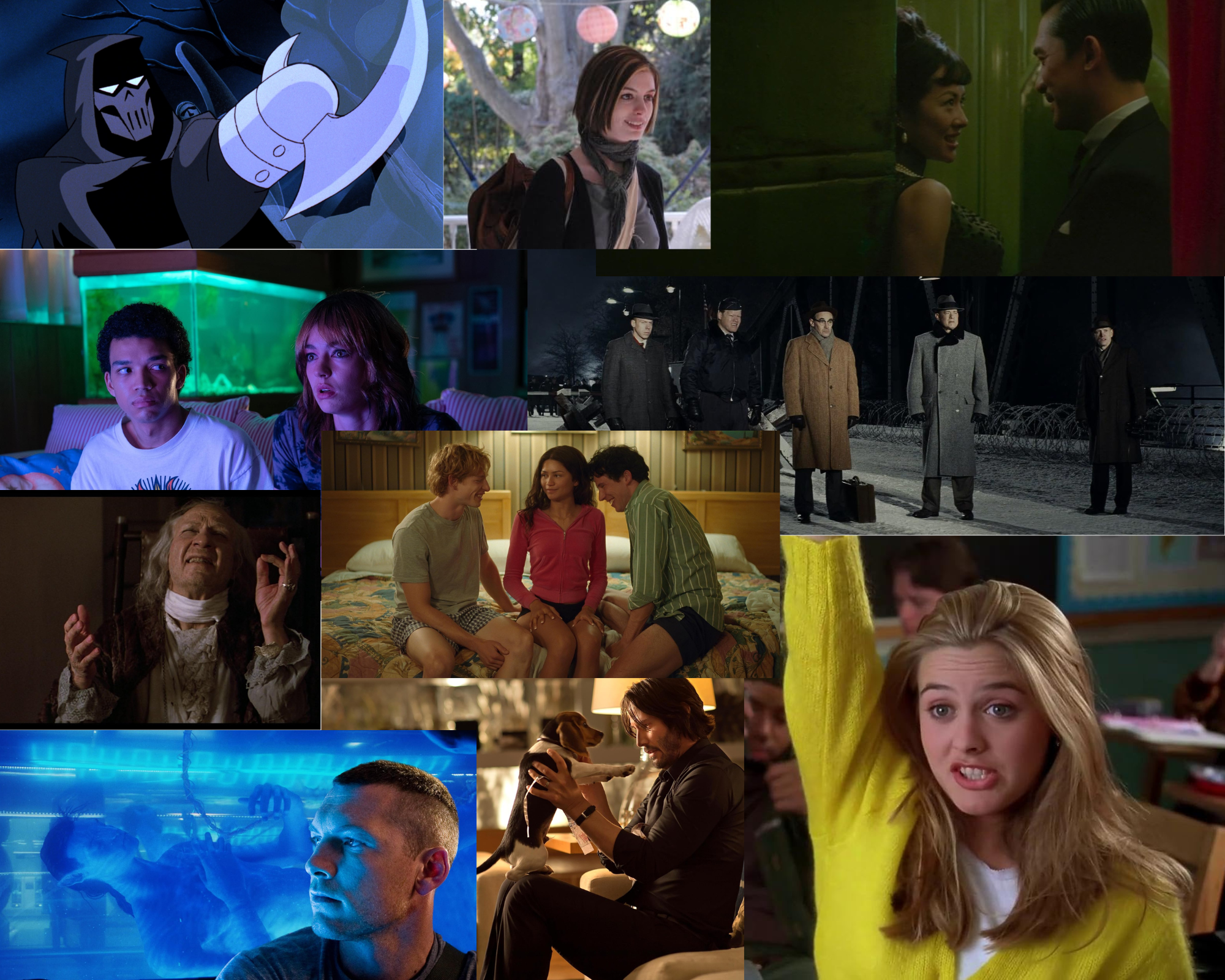
180. 2046 (2004)
Directed by: Wong Kar-wai
Written by: Wong Kar-wai
Previous Ranking: N/A
Before watching Wong Kar-wai’s timeless masterpiece In the Mood for Love, It’s worth watching his followup 2046. While the later movie is technically a spiritual sequel, it can only suffer by comparison. Watching it first, though, this collection of four stories is a gorgeous exploration of love and longing from one of the great Hong Kong masters. And it’s got some lite sci-fi flavoring. Chef’s kiss.
179. Rachel Getting Married (2008)
Directed by: Jonathan Demme
Written by: Jenny Lumet
Previous Ranking: N/A
While I appreciate Jonathan Demme’s filmography and his love of fun characters in heightened situations, not all of his films (like Running Wild and Married To the Mob) work for me as they do for others. Rachel Getting Married, though, is just excellent. Anne Hathaway’s Kym is a messy individual with lots of issues to work through. Trying to fit in with her family allows the movie to not just peel back the various layers of this tribe’s various wounds, with every scene more fully filling in the portrait of Kym’s internal and external demons. Demme’s humanism was always one of his strongest qualities, and Rachel Getting Married remains his best film outside of his most high-profile successes.
178. Avatar (2009)
Directed by: James Cameron
Written by: James Cameron
Previous Ranking: #51
Sorry, haters. It’s cultural unobtanium.
177. I Saw the TV Glow (2024)
Directed by: Jane Schoenbrun
Written by: Jane Schoenbrun
Previous Ranking: N/A
There’s a point towards the end of I Saw The TV Glow when the main character, terrified of the revelations about themself, rejects the reality that will probably better align them with their truest self. It leaves the movie on a depressing note, and the final minutes (during which Owen (Justice Smith) has maybe the ugliest, most discomforting, most upsetting breakdown I’ve ever seen in a film) don’t make it much better. Regardless of that (or perhaps because of it), this is an incredible tale about the queer experience through the prism of fandom culture. The metaphor of The Pink Opaque as a Buffy-esque show is tremendous, and writer-director Jane Schoenbrun pours a love of late 90s/early 00s genre television (they even got the font!) into this unflinching portrayal of life in the closet. This sort of dishonest life is the sort that can slowly rot someone away from the inside. It’s not an easy watch, but there are moments of comfort and hope. The single sidewalk chalk shot of the “there is still time” message is utterly profound, a simple statement/philosophy that can beget an infinite hope. No matter how dire things are and how bleak the outlook, change is always possible and life can (and will) get better. You just have to let go of the little you have and grab onto infinite possibility.
176. John Wick (2014)
Directed by: Chad Stahelski
Written by: Derek Kolstad
Previous Ranking: N/A
There’s nothing like the visceral thrill of seeing John Wick for the first time. Even though the movie starts slow, the promise of action lasts until John pulls out that sledgehammer and the movie crosscuts between him breaking apart the foundations of his life and his former Russian Mafia boss employer explaining who the fuck this guy really is. From there, it’s a nonstop thrill ride of murder and mayhem as Baba Yaga goes on a revenge tour to murder the stupid kid who killed his dog. It’s an outrageously dumb premise for a movie, but it rocks so hard. Stahelski was a stunt coordinator on The Matrix and pairing him again with Keanu Reeves (who plays the titular assassin) adds up to one of the great action films of the decade. If there’s a problem, it’s that the film loses steam after the big night club set piece, and starts to feel a little repetitive after a while. But… man. Seeing John Wick be the most badass human who ever lived? There’s nothing like it.
175. Batman: Mask of the Phantasm (1993)
Directed by: Eric Radomski, Bruce Tim
Written by: Alan Burnett (Story/Screenplay), Paul Dini (Screenplay), Martin Pasko (Screenplay), Michael Reaves (Screenplay)
Previous Ranking: N/A
I was lucky enough to catch this in a theater with my dad when it came out in 1993. I was four at the time and scenes and moments have branded themselves into my psyche. While Lego Batman Movie is terrific in its celebration of the Caped Crusader, Mask of the Phantasm is the great cinematic effort from the best and most well-rounded vision of Batman ever. Even at 76 minutes, there’s so much story here. Instead of Batman’s origin via the damn pearls (thank god), the writers instead focus on an aborted love story featuring new character Andrea Beaumont and the tragic manner by which her relationship with Bruce didn’t work out. When the man finally dons the cowl for the first time, it isn’t some triumphant badass moment. Instead, it’s the moment of him birthing something dark, a tortured child surrendering himself to a lifetime of loneliness and dissatisfaction. Throw in a great use of the Joker and the introduction of the Phantasm (one of the great villain designs in DC animation history) and there’s the argument that this is the best Batman movie of all time.
174. Amadeus (1984)
Directed by: Miloš Forman
Written by: Peter Shaffer
Previous Ranking: N/A
It’s easy to forget that Amadeus is a play and not some quasi-accurate historical account about one of the great classical composers of all time through the eyes of a mediocre composer who envied him. Show up for the rivalry that really didn’t exist, stick around for all the pithy comments from know-nothings like the Austrian emperor who complains there are “too many notes”. Operatic and brassy, the sweeping epic scope of classical music contrasts beautifully with its intimate look at two men who let their own personal demons haunt them, preventing them from any real satisfaction.
173. Challengers (2024)
Directed by: Luca Guadagnino
Written by: Justin Kuritzkes
Previous Ranking: N/A
This is more than just its incredible pulse-pounding score from Trent Reznor & Atticus Ross. Challengers concerns itself with a love triangle and the complicated dynamics that come from combining sex, friendship, and both personal & professional competition. Justin Kuritzkes’s script frames the conflict through a series of flashbacks between the present-day games of a long-gestating tennis match between two friends and the girl who seems to have gotten between them. The metaphor of their back and forth mirrors how their relationship developed over the preceding 13 years. The final beats of the movie are shocking and absolutely breathtaking, a perfect ending to a perfect film. Within this resolution, though there’s still so much to chew on as the credits roll. It encourages thinking about these big moments and what they mean and what these characters were actually thinking. Director Luca Guadagnino lets things live in the moral gray area of messy individuals and the problems they’ve made for themselves. Honestly surprised this isn’t higher based on how much just thinking about it makes me want to rewatch it.
172. Clueless (1995)
Directed by: Amy Heckerling
Written by: Amy Heckerling
Previous Ranking: N/A
I’m a sucker for films that are adaptations of classic literature through a modern lens. As an adaptation of Emma (my favorite Jane Austen novel), Clueless is maybe the best of them. Amy Heckerling’s return to the teen experience after the excellent Fast Times At Ridgemont High is a smash hit of the mid-90s. Alicia SIlverstone’s Cher Horowitz is a marvelous character. Ditzy yet competent, she’s an absolute delight to watch without ever falling into the traps of being stupid or annoying. The costuming is wonderful, the soundtrack excellent, and all of the ensemble surrounding her are equally delightful. Heckerling has made a bunch of really rough movies, but this is the one that proves Fast Times wasn’t just a one-off success story.
171. Bridge of Spies (2015)
Directed by: Steven Spielberg
Written by: Matt Charman, Ethan Coen, Joel Coen
Previous Ranking: N/A
Bridge of Spies, like Lincoln, is one of Steven Spielberg’s dad movies. Pairing him again with Tom Hanks (his most frequent acting collaborator who also happens to be America’s dad), it delves into the true story of a lawyer whom the U.S. government tasks with negotiating a prisoner exchange in Berlin. It’s easy to dismiss late Spielberg as lacking in the wonder and genre fantasy of his early works, but the hunger of the man who made Jaws and Raiders of the Lost Ark has long since evolved into the steady hand of an artist who can do just about anything that isn’t high comedy. This story of espionage, intrigue, and international politics goes down without any sort of tricks or flair. And that is why he’s become a master of the craft and far more fascinating in his old age than many of his other peers.
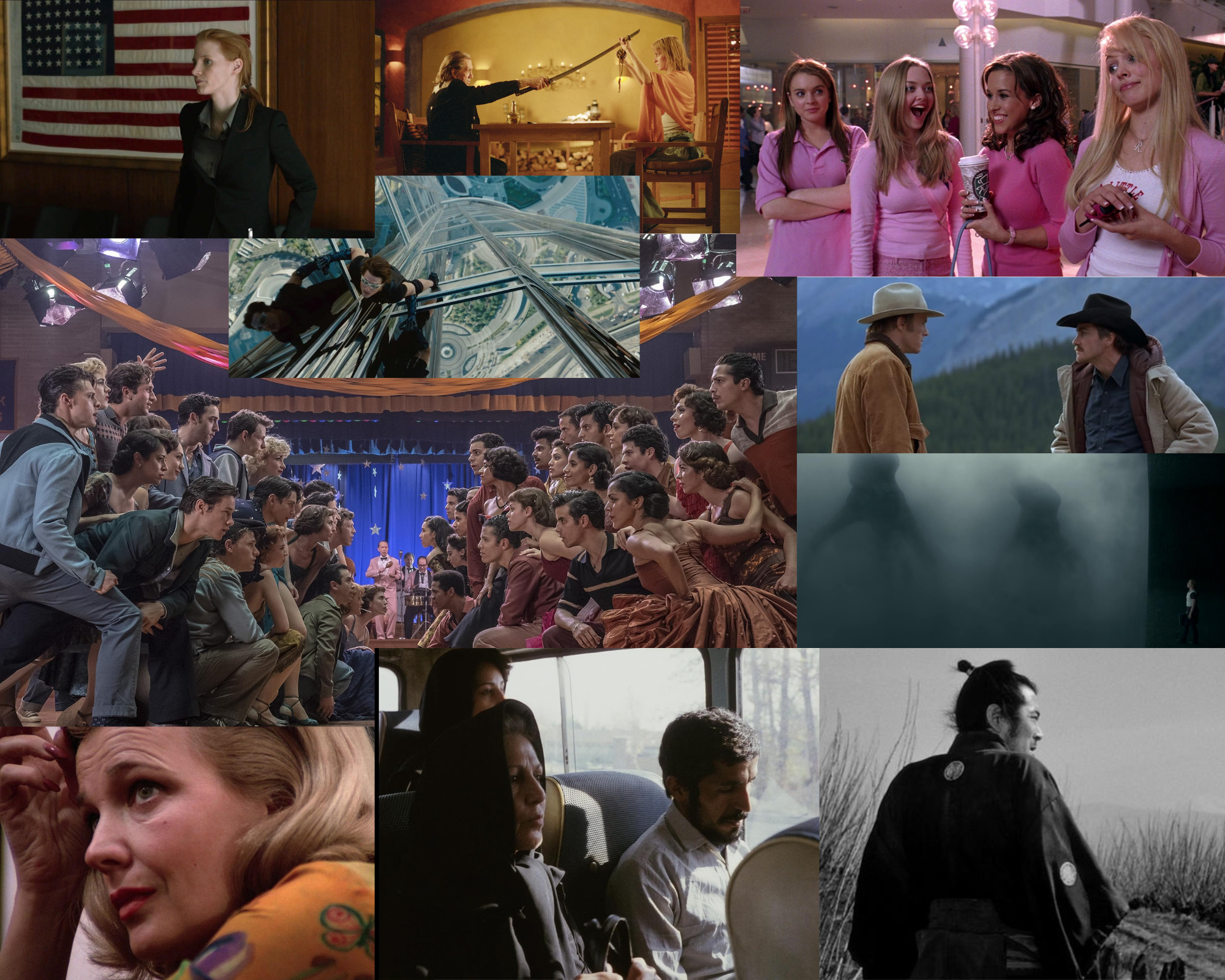
170. Opening Night (1977)
Directed by: John Cassavetes
Written by: John Cassavetes
Previous Ranking: N/A
John Cassavetes is popular amongst actors because of his ability to create rich characters and use them to pull out incredible performances from those he worked with. Opening Night came out towards the end of his career, and features yet another astonishing performance by his wife and long time collaborator Gena Rowlands as a performer struggling through a nervous breakdown after witnessing the death of a fan. It’s strange and unsettling watching her slowly descend into madness, but the resolution she (with Cassavetes playing the on stage character opposite her) comes to is tremendously cathartic. It’s stuck with me for years and any movie that can embed itself in my brain like that is worth thinking about forever.
169. Mission: Impossible - Ghost Protocol (2011)
Directed by: Brad Bird
Written by: Josh Appelbaum, André Nemec
Previous Ranking: N/A
Brad Bird’s take on the Tom Cruise-led spy series came with two things. The most obvious is the playful humor throughout, where the gags come not just in dialogue moments but also in physical bits. The other is this film’s position as the most gadget-heavy in the series. To mitigate an over reliance on get-out-of-any-situation plot convenience, he made sure to have all of the technology break at every opportunity: no masks, a sticky glove not sticking… But the big legacy of this film is the central setpiece in the Burj Khalifa, a sustained thirty minute sequence involving Tom Cruise scaling the side of the tallest building on earth, a simultaneous upstairs/downstairs meeting to hand over nuclear launch codes to terrorists, and a dramatic foot chase through a massive sandstorm. The series has definitely tried to top it in subsequent installments, and there’s sometimes where it maybe has, but as soon as Ethan Hunt took those first steps onto the glassy exterior of that monolithic skyscraper the series would never be the same again.
168. Brokeback Mountain (2005)
Directed by: Ang Lee
Written by: Larry McMurtry, Diana Ossana, Annie Proulx (original short story)
Previous Ranking: N/A
This would probably be different today. The takes on gay sex alone would have the input of people with actual experience. In 2005, it’s straight men assuming that it’s functionally the same as what the straights do. That said, there are two things that keep this as the legendary film deserving of its clout and acclaim. The first is director Ang Lee, who handles this love story with the delicacy and care befitting something this tender and pure. The other is the central double act of Heath Ledger and Jake Gyllenhaal. If they made this today, most directors wouldn’t cast them, opting instead for actors who more accurately represent the community. While this would be the right call, I wouldn’t trade anything for these two performances (or the ones from Anne Hathaway or Michelle Williams for that matter), which are authentic, tragic, and wonderfully empathetic.
167. Zero Dark Thirty (2012)
Directed by: Kathryn Bigelow
Written by: Mark Boal
Previous Ranking: #35
There is a valid critique of this movie, one decrying that the intelligence the CIA roots out at the beginning of the movie is the result of enhanced interrogation techniques torture. And… sure. But that makes it sound like director Kathryn Bigelow and writer Mark Boal are writing a film glorifying America’s torture regime or the Bush administration’s war on terror in the Middle East in the hopes of tracking down Osama Bin Laden. Aside from her undeniable role in the capture and murder of the infamous Al Qaeda leader, nothing about CIA intelligence analyst Maya (Jessica Chastain) paints her in a particularly positive light. Instead, this is a film about America losing its collective mind after 9/11 and the aftermath. That psychosis resulted in a reduced standing in the world as the quest for vengeance in the name of justice led to where it was always going to lead: nothing but a dead corpse on a slab and a plane ticket to anywhere in the world. This is a film I’ll never get tired of, and the last hour or so, when the plan to take out Bin Laden comes together is a thrilling masterwork of tension and Seal Team 6 being the best at what they do.
166. West Side Story (2021)
Directed by: Steven Spielberg
Written by: Tony Kushner (Screenplay), Jerome Robbins (original musical), Leonard Bernstein (original musical), Stephen Sondheim (original musical), Arthur Laurents (original musical)
Previous Ranking: N/A
Spielberg doing an adaptation of one of the most famous musicals (and movie musicals) of all time seems like folly when the original Robert Wise version is so iconic. Watching it, though, there is a point where it’s clear why Spielberg chose this as the one musical in his filmography. When Tony and Maria see each other at the dance, it’s impossible to avoid Spielberg’s infectious romanticism of young people falling in love at first sight. This, of course, comes after the mindblowing dance at the gym and he follows it shortly after with “America”. Tony Kushner’s screenplay emphasizes the racial and class-specific tensions inherent in the setting, opening a discussion about the economic instability that came about because of NYC’s rapid gentrification. Surprising no one, Spielberg directs the ever-loving shit out of this and his talent for blocking and composition fit perfectly in a medium that desperately needs that eye. For all of this, it should be so much higher on this list. Hell, it would be were it not for the casting of Ansel Elgort as Tony. The dude has no dramatic weight, no charisma, and the second he shows up it immediately drags the movie down from an otherwise five stars. He’s an anchor around this film’s neck and a huge unforced error. Thank god for the performances of Ariana DeBose, Rachel Zegler, Rita Moreno, Brain D’Arcy James, Mike Faist, and David Alvarez who are all so good they can almost overpower a lead performance this inert.
165. Kill Bill (Vol 1, 2002; Vol 2, 2003)
Directed by: Quentin Tarantino
Written by: Quentin Tarantino
Previous Ranking: N/A
Quentin Tarantino’s blood soaked revenge thriller is maybe the most iconic film in his entire filmography. Splitting the story into two films (not so unlike The Three Musketeers/The Four Musketeers) helped mitigate the large cost of Tarantino’s vision, and expecting audiences to show up for a four and a half hour epic will always be a foolhardy endeavor. On the flip side, that split means that there’s a clear divide in which half of Kill Bill viewers enjoy. The first half has all the big action and violence: the opening knife fight with Copperhead, the anime sequence that introduces O’Ren Ishii, the extended, relentless fight where the Bride takes on the Crazy 88… The second, meanwhile, gets the more talky Tarantino bits: the dialogues and the monologues and the emotional catharsis. Taken as a whole, The Whole Bloody Affair premiered at Cannes in 2006 and got a wide release in the United States earlier this month. It’s the ideal vehicle for the sprawl of Tarantino’s epic narrative and allows the emotional wallop of the film’s final revelation to play without the dramatic irony established by Vol 1’s cliffhanger. At four and a half hours it’ll alway a bit unwieldy, but as one of the seminal works by one of the great filmmakers of the past few decades, it really is a masterpiece.
164. Close-Up (1990)
Directed by: Abbas Kiarostami
Written by: Abbas Kiarostami
Previous Ranking: N/A
This “Iranian docufiction” film has been a staple on the two most recent editions of the Sight & Sound poll. The premise seems simple enough: a young man named Hossain Sabzian pretends to be his favorite film director Mohsen Makhmalbaf and uses that to ingratiate himself with a family that views that director with reverence and care. Soon, the deception gets out of control, with Hossain speaking about the upcoming film he’s making (which he isn’t) and his plans to use the family’s house as a shooting location and the family members themselves as part of the cast. When they discover the deception, the family reports him, and the police arrest Hossain and put him on trial. And all of that is interesting enough, but where it takes off is in director Abbas Kiarostami’s portrayal of events. Everyone in the movie plays themselves, and he inserts actual footage of the Hossain’s trial (with the family in the background/participating) with scenes he filmed after the fact where the actual people recreate their own experience. It’s a tremendous study of average people in a slightly extraordinary situation, highlighting their lives and never casting judgment on their dreams or their capacity to achieve them.
163. Mean Girls (2004)
Directed by: Mark Waters
Written by: Tina Fey, Rosalind Wiseman (original novel)
Previous Ranking: #83
For my generation, Mean Girls is a seminal classic. Insanely quotable, the movie stars Lindsay Lohan as the new kid in school who gets roped into being one of the popular girls at school. If there’s a failing for the movie, it’s in something Tina Fey diagnosed after the fact: the structure is kind of a mess. The film plugs along great until Regina George enacts her master plan, spreading all of the Burn Book’s secrets across the school where everyone reads them. Everything after that feels emotionally climactic somehow. The trust fall assembly feels like the end of the movie. As does the school bus hitting Regina George. As does the Mathlete competition. As does the dance where Cady breaks the tiara and spreads the wealth. It makes the last half hour of the film feel like a listless mess. Still, the movie is emotionally strong enough to survive it, and it’s hard to think of a movie more quintessential to the generation that grew up with it.
162. Arrival (2016)
Directed by: Denis Villeneuve
Written by: Eric Heisserer, Ted Chiang (original text)
Previous Ranking: N/A
There is a glow this movie had, coming out as it did just after the election in November 2016. It celebrates the idea of international cooperation and optimistim for the future, a balm of hope that the world might turn out okay. That effect has slightly diminished in the decade since, but the story of a first encounter and the challenges in deciphering a whole new form of communication remains incredible. So too is the emotional story of Louise Banks (Amy Adams) and the fantastical thing that starts to happen to her at the end of the film. Despite everything else, the decision she makes is utterly astonishing and heartbreakingly beautiful. Finally, the terrific score by Jóhann Jóhannsson is breathtaking. Idt’s tragic that he dies just a few years after this, gone too soon and robbing the world of more of his wonderful soundscapey musics that so perfectly defined Denis Villeneuve’s pre-IP work.
161. Yojimbo (1961)
Directed by: Akira Kurosawa
Written by: Akira Kurosawa (Story/Screenplay), Ryūzō Kikushima (Screenplay), Hideo Oguni (Screenplay
Previous Ranking: N/A
Kurosawa’s samurai tales are all iconic for some reason or another. Many times he adapted from sources like Shakespeare (Throne of Blood, Ran) and others (like here) he pulled from the work of authors like Dashiell Hammett. This tale follows a ronin who rolls into a town and finds himself stuck between two dueling crime lords. He uses his wits to trick them and when that doesn’t work engages in samurai action. It’s not all puppies and rainbows. Kurosawa is unafraid to put his hero through the physical ringer as he plays with the violent and dangerous forces at work, such that it is difficult to imagine how he’s going to pull through. Like his other samurai movies, Kurosawa has proven to be a totemic storyteller, one whom many other writers and directors have gleefully riffed off in the many decades since his heyday.
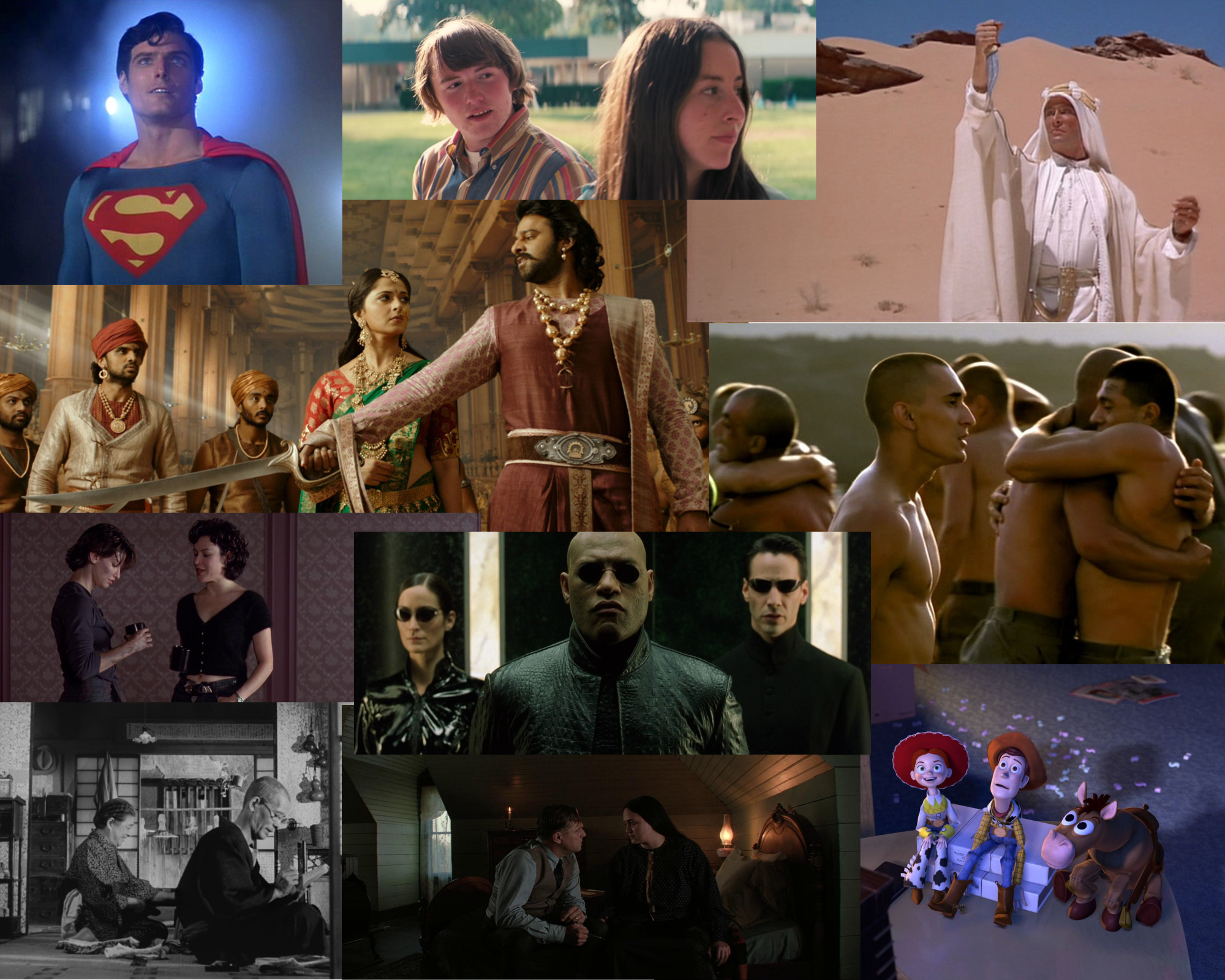
160. Baahubali 2: The Conclusion (2017)
Directed by: S.S. Rajamouli
Written by: S.S. Rajamouli (Screenplay), V. Vijayendra Prasad (Story), C.H. Vijay Kumar (Dialogues)
Previous Ranking: N/A
Based on combining The Three Musketeers/The Four Musketeers and Kill Bill (and one other in the future) it feels like I should combine the second half of Rajamouli’s sword and sandal epic with Baahubali: The Beginning or present this as the omnibus version Baahubali: The Epic after its release earlier this year. And yet, both of those combinations don’t hold a candle to the relentless freight train of Baahubali 2: The Conclusion. Free of having to do the setup and foundation-building of The Beginning, the sequel hits the ground running, setting Baahubali on his relationship with Devasena and letting the two fall in love while the evil Bhallaladeva implements his nefarious schemes to seize the throne of Mahishmati for himself. This game of palace intrigue and courtly politics is the highlight of this half of the story, and the manipulations to get Sivagami to turn against her favorite child are both enrapturing and believable. Once the story catches up to The Beginning’s opening minutes, it dips a little bit, but the final siege of Mahishmati is pure uncut Rajamouli heroin. Inject that madness directly into my veins.
159. Licorice Pizza (2021)
Directed by: Paul Thomas Anderson
Written by: Paul Thomas Anderson
Previous Ranking: N/A
The plot of “25-year-old photographer’s assistant gets into a relationship with a 15-year-old actor” admittedly feels a little skeevey. That age gap is a bit extreme and writer/director Paul Thomas Anderson probably could have shrunk it a bit, but the purity of the emotional bond between Licorice Pizza’s two main characters makes the age difference feel like a number. He feels older than his years and she feels younger. Regardless, Licorice Pizza is a a wonderful, breathtaking movie about young love and growing up, finding a counterpoint soul, and the affection and intimacy those souls share. It’s just over two hours long, but I could have watched it endlessly.
158. Beau Travail (1999)
Directed by: Claire Denis
Written by: Jean-Pol Fargeau, Claire Denis, Herman Melville (original novel)
Previous Ranking: N/A
This adaptation of Billy Budd came in at #7 on the 2022 Sight and Sound poll. With that much of an endorsement, it shouldn’t be surprising that this is one of the best movies ever made. It’s remarkably affecting. Denis’s Beau Travail is slow and methodical, showing a malicious professional jealousy slowly devour the main character alive, destroying everything in its (and his) wake. Best of all is the final ten minutes, which are indescribably emotionally devastating. And you wouldn’t believe that if you know the song choice or what the last two scenes of the film are.
157. Toy Story 2 (1999)
Directed by: John Lasseter
Written by: Andrew Stanton (Story/Screenplay), Rita Hsiao (Screenplay), Doug Chamberlin (Screenplay), Chris Webb (Screenplay), John Lasseter (Story), Pete Docter (Story), Ash Brannon (Story)
Previous Ranking: N/A
There’s a philosophy that the sequel can never surpass its progenitor. As technologically groundbreaking and a showcase of the masterful storytelling that became Pixar’s defining feature for decades, Toy Story should be untouchable. But Toy Story 2 is a perfect sequel, one that surpasses the original. It expands on the first film’s foundations and subverts that first premise, flipping Woody and Buzz’s roles of who wants to be a toy and who wants to be… less. Woody’s Roundup is an amazing addition to the canon, and Jesse & Bullseye are so instantly iconic it’s a shock they weren’t in that first film. Original films can leave an impression, but sequels’ continuing the story and mythologizing starting points only enhances the whole series’ empathy.
156. Bound (1996)
Directed by: The Wachowskis
Written by: The Wachowskis
Previous Ranking: N/A
Before The Matrix, The Wachowskis made this small crime thriller as their directorial debut. It’s a small, low budget noir… very different from the sprawling scope of budgets and visual effects that hallmark every one of their subsequent projects. But it’s their unique perspective that makes this amazing. Instead of the standard “some man and a femme fatale”, the sisters build the story around two lesbians (Gina Gershon & Jennifer Tilly). It creates interesting power dynamics and a unique flavor such that there really isn’t another movie like it. As a final icing, the entire aesthetics are pure proto-Matrix goodness. When trying to find movies that are “like” other movies, it’s very rare to capture the same feeling even when it’s from the same creators. If you’re a Matrix head like me, you’ll be surprised at how much Bound captures the spirit of their greatest work.
155. Lawrence of Arabia (1962)
Directed by: David Lean
Written by: Robert Bolt, Michael Wilson, T.E. Lawrence (original memoir)
Previous Ranking: N/A
When watching Lawrence of Arabia, the pre-intermission seession is the length of The Avengers. Though it’s extremely long, this capital E epic of T.E. Lawrence’s life with the Arabs during World War I remains one of the great films. The scope is magnificent, and Lean blends ideas from the French New Wave to make certain moments (like Lawrence blowing out the match smash cutting to the shot of the desert with the big themey brass blaring loudly) jaw dropping. They used real trains and real biplanes and real cadres of hundreds and hundreds of extras. Also? The central performance by Peter O’Toole is astonishing. Were it not for Gregory Peck’s performance as Atticus Finch in To Kill A Mockingbird he probably would have won the Oscar. Seeing this for the first time on a big screen in 70mm cinemascope is one of the seminal theatrical experiences of my life. Viewing this classic on the big screen at least once is a must for any cinephile.
154. Tokyo Story (1953)
Directed by: Yasujirō Ozu
Written by: Kogo Noda, Yasujirō Ozu
Previous Ranking: N/A
This drama of manners in post-war Japan follows an aging couple as they visit their children in Tokyo. Ozu’s style is very stationary, very controlled, with hardly any camera moves. But that fits so well with a story about this parental pair who feel like the world and their children’s lives are passing them by too fast. It’s a quiet movie, but resounding in its emotional impact. There really aren’t any bad guys here, just generational expectations and norms that come into conflict with each other. It might feel culturally outdated in certain ways, but the universal themes of Ozu’s greatest film will last for as long as parents have children who grow into adulthood.
153. Killers of the Flower Moon (2023)
Directed by: Martin Scorsese
Written by: Martin Scorsese, Eric Roth, David Grann (original book)
Previous Ranking: N/A
David Sims’s one word review of Killers of the Flower Moon has stayed lodged in my head since the second I read it: “Colossal”. It’s a perfect adjective. Key to this is Leonardo DiCaprio, who plays the central love story with the perfect degree of internal conflict. His character Ernest Burkhart clearly loves his wife Mollie (Lily Gladstone, a member of the Osage nation), but not enough to stop participating in this slow genocide. He enables the continued white supremacist attempt to rob the Osage of their inherited land and wealth. The moment Ernest finally breaks under the weight of the death and suffering around him is deeply cynical, showing him capable of caring about life when it’s directly adjacent to him, but horrifying at the blind eye he turned to the suffering of not only his wife, but literally every person related to her. Despite DiCaprio’s POV dominating the movie, Martin Scorsese makes it clear where his sympathies lie. He builds the movie with imposter syndrome in mind, recognizing that while an indigenous person would be the best one to tell the story of the Osage’s suffering, he carries the moral weight of being a good enough alternative to get the movie made at a $200m budget. His cameo in the final minutes is the devastating fine point on this. Taken altogether, this is a masterpiece even by Scorsese’s impressive standards.
152. Superman: The Movie (1978)
Directed by: Richard Donner
Written by: Mario Puzo (Story/Screenplay), David Newman (Screenplay), Leslie Newman), Robert Benton (Screenplay), Tom Mankiewicz (Screenplay, uncredited)
Previous Ranking: #36
James Gunn might have come close, but Donner’s telling of Superman’s origins follows a mythic path. It’s an extremely slow burn, spending the first reel on Krypton with Marlon Brando before a second reel starring Jeff East as a teenage Clark Kent. But when Superman finally flies out of the Fortess of Solitude, the movie kicks into high gear, whipping through his first experiences in Metropolis and culminating in a massive 70s style disaster movie for the third act. Brando might have top billing and Gene Hackman might be a terrific Lex Luthor, but the legacy of this film is Christopher Reeve’s unbelievable performance as the eponymous hero. He gives a Superman is a humble swagger while his Clark is all sweaty bumblingness. The one shot where he starts as Clark, unfurls himself into Superman, and then hunches back into Clark is an incredible example of his physical performance, creating a reality where Lois isn’t recognizing Clark for Superman because of more than just a pair of glasses. It’s not a perfect movie, but it’s one for which I will always have tremendous affection. Now if only the Salkinds had let Donner finish Superman II…
151. The Matrix Reloaded (2003)
Directed by: The Wachowskis
Written by: The Wachowskis
Previous Ranking: N/A
It’s not the magic of the original, but the Wachowski’s followup to their biggest film was always going to be an uphill climb. Revolutions’ position as trilogy capper ripples backwards to make the trilogy’s middle movie look like a bumbling shambling mess. But so too The Matrix Resurrections ripples backwards to emphasizes the Neo/Trinity love story as a focal point of where this film more or less went wrong. So much of Reloaded is about Neo’s obsession of saving Trinity from his haunting premonitions about her death, and the Wachowskis don’t quite express that Neo and Trinity’s love is the thing that makes this incarnation of the One different from the others, The Oracle’s gamble to break this endless cycle of Ones and Matrixes. The Matrix Reloaded can feel like it’s just out of the Wachowskis’ ambitious reach, where even the visual effects (so revolutionary in the first film) fall apart when they go for something as audacious as “Neo fights 100 Agent Smiths”. But even with all of that massive, massive caveat, this is a movie that is so easy to love. It’s more Matrix, more world-expanding. Doubling down on its cyberpunk origins means more actualization of computer systems in tangible reality: he Keymaker and his doors, Seraph and his security firewalls, Agent Smith as a virus running rampant in the system. The expanded budget also means excellent production value and locations. There’s Zion and an orgy and tremendous visual effects. The massive sequence where Neo, Trinity, and Morpheus rescue the Keymaker is one of the best action sequences this century. Encompassing both Neo’s weapon fight versus the Merovingian’s operatives and the mind-wrenching freeway car chase sequence involving the Twins, motorcycles, Agents, and katanas, that half hour alone is worth the price of admission. If Reloaded is a noble failure (and it isn’t), at least it’s an ambitious one filled with the Wachowski’s personality and esoteric, skeptical outlook on life and the systems that run it. Big blockbuster sequels sculpted by creatives and artists is far more preferable than those coming off the a studio-run, marketing-operated assembly line. We never appreicate how good we have it until it’s gone.
Boy that’s a lot of reviews…
But that means there’s still 50 more coming tomorrow. And, hey! We’re halfway there.